



 Team Prac
There’s not much Amy Dragoo won’t do to get the perfect horse-and-rider shot. Over her more than 30 years as an equestrian photographer, she’s endured blinding heat, thunderstorms, mud, snow and tornadoes to capture her award-winning images.
One year while shooting the Kentucky Three-Day Event during a downpour, she camped out in a Porta Potty while waiting for riders to tackle a tricky water combination on cross country. Another year at Kentucky, she got stuck in the mud at a creek crossing trying to get a low shot over a ditch.
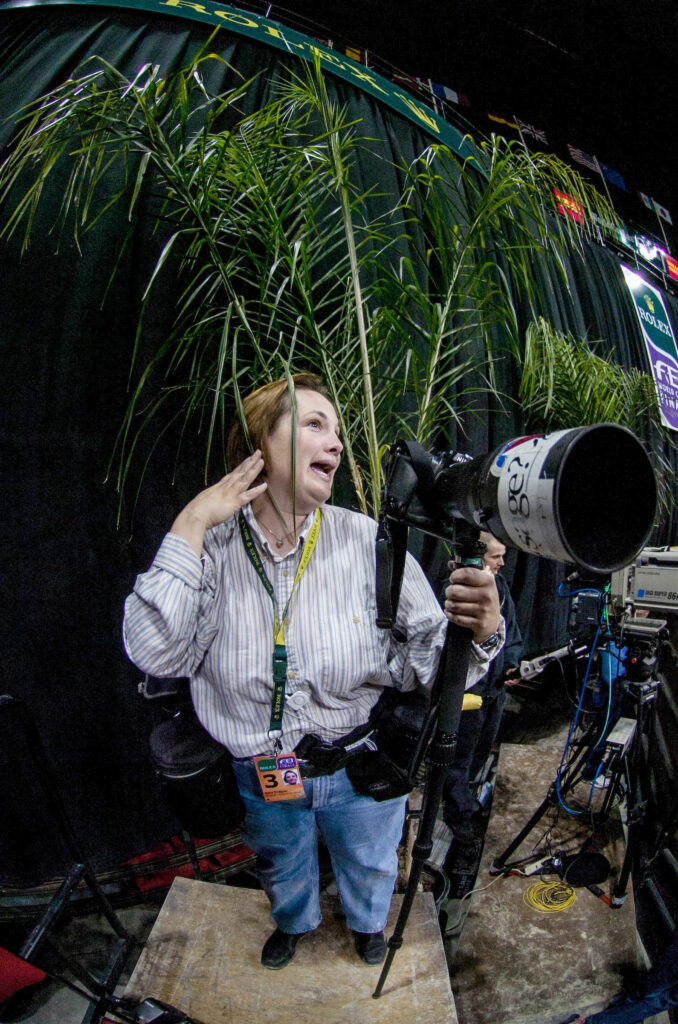
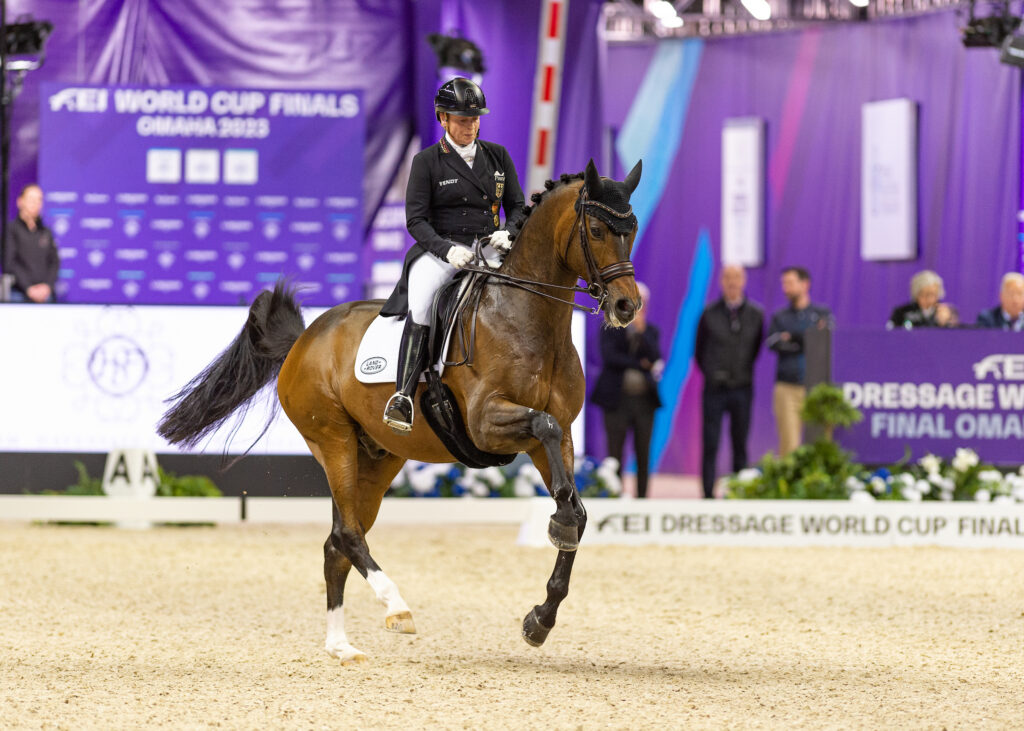
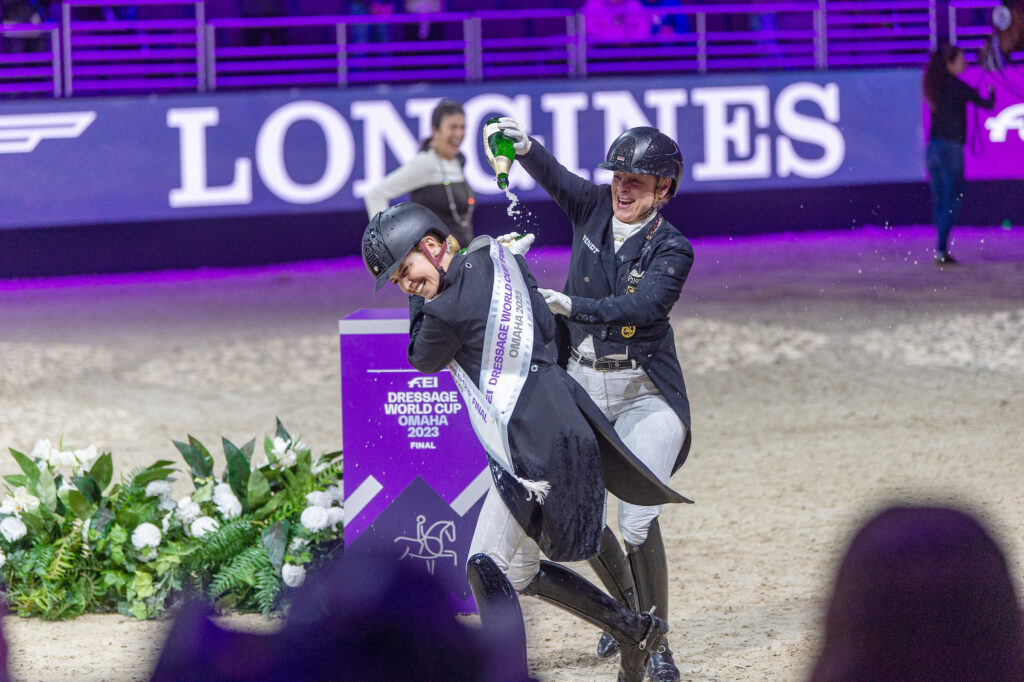
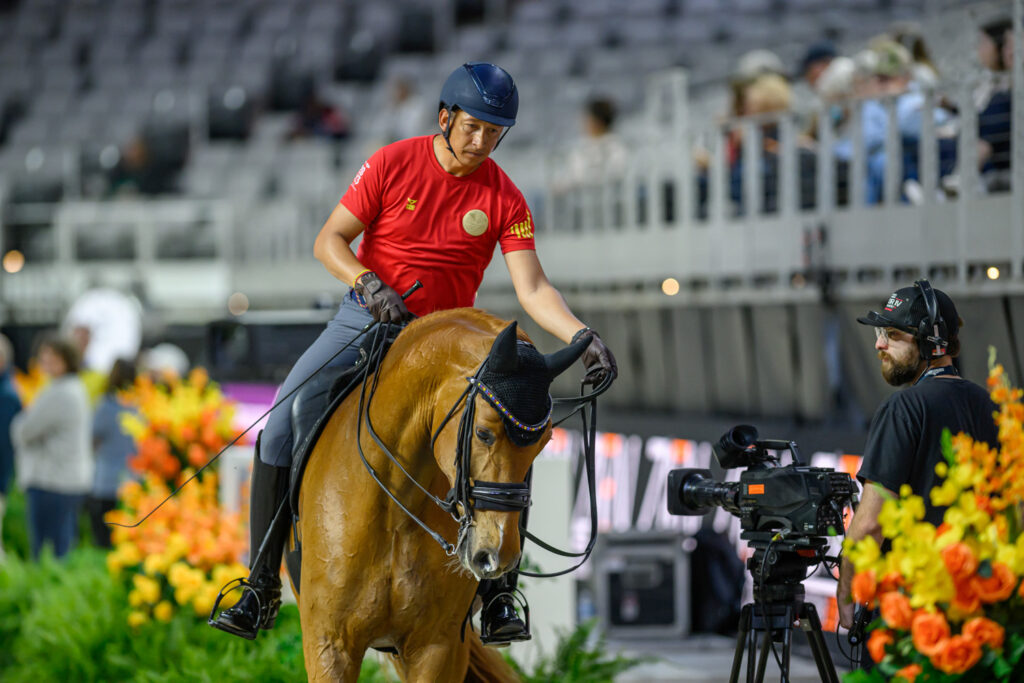
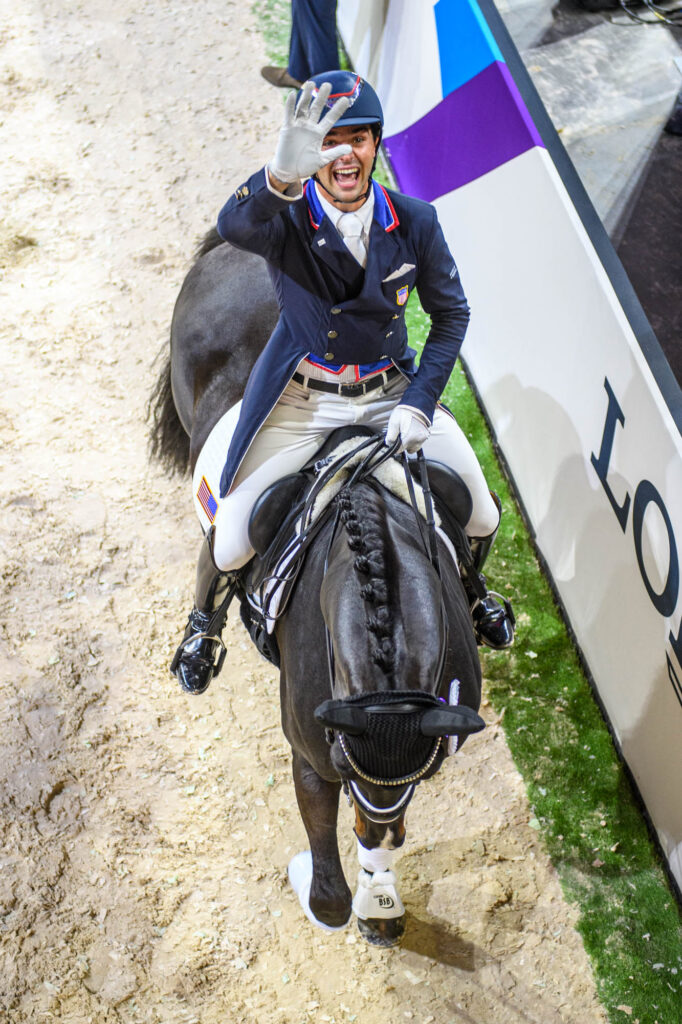
During the 2007 FEI Dressage World Cup™ Final in Las Vegas, she wedged herself between the live-feed video crew and some large decorative ferns to get her shots. Following the freestyle award ceremony at the 2026 Zen Elite FEI Dressage World Cup™ Final in Fort Worth, Texas, in April, she perched in the stands directly above the in-gate and had this Dressage Today editor shout as loud as I could to get Great Britain’s Becky Moody and U.S. fan-favorite Christian Simonson’s attention so she could capture the top two podium finishers waving at us.
Whether she’s shooting the Dressage World Cup™ Finals, “The Best Weekend All Year” at Kentucky or a small schooling show, Dragoo meticulously scouts out the site’s field of play, course design or dressage arena and potential backgrounds to choreograph her sequence of shots. This allows her to strategically capture an action image and then pivot to also snap emotional post-ride reactions.
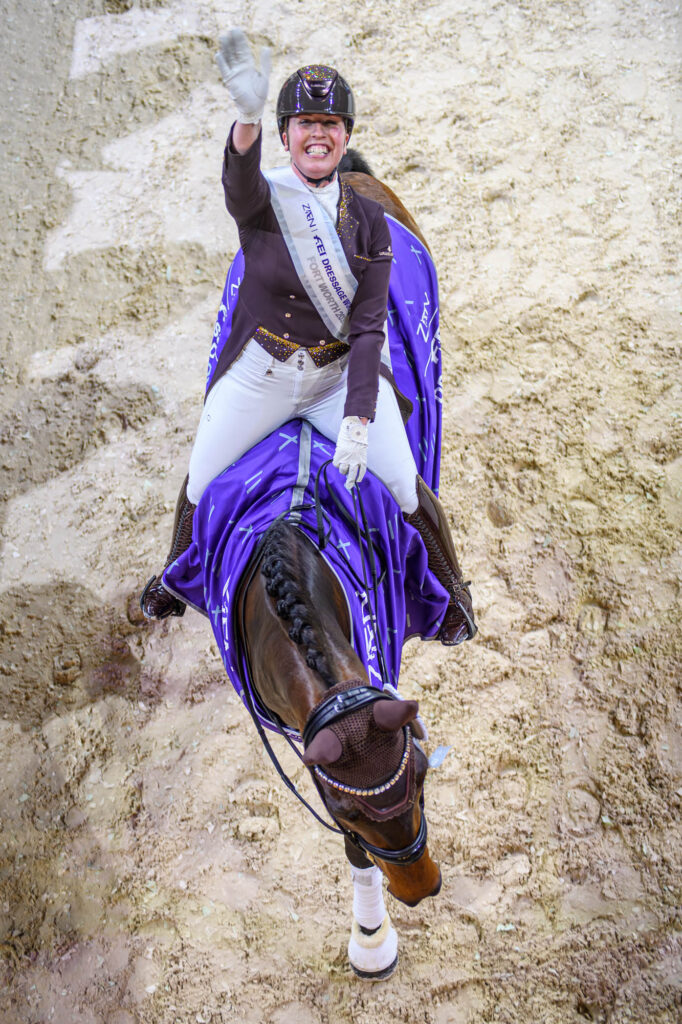
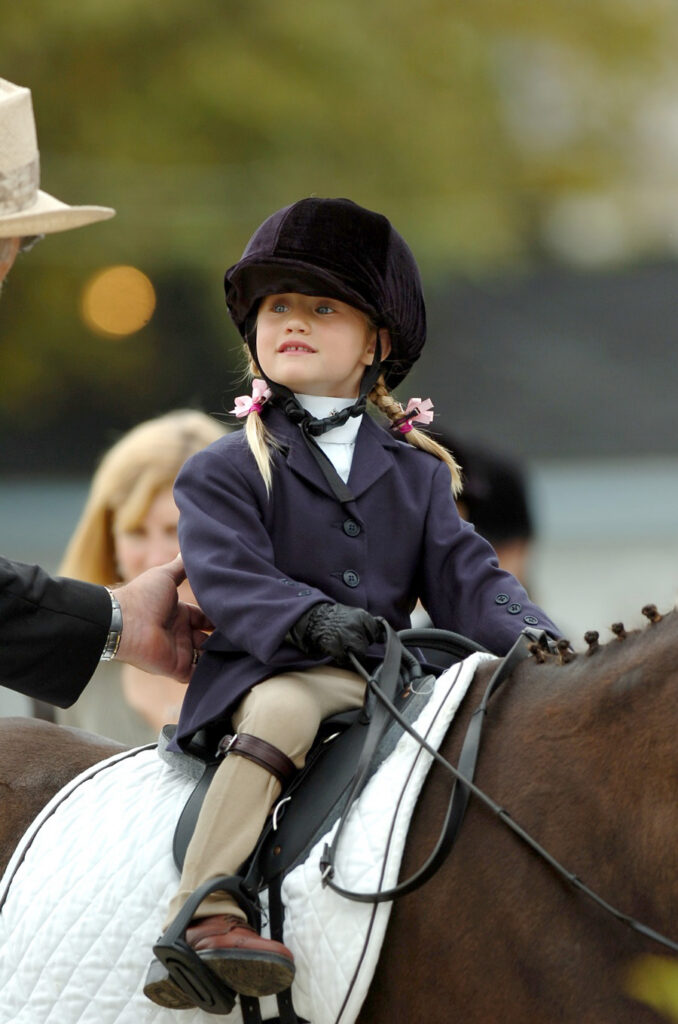
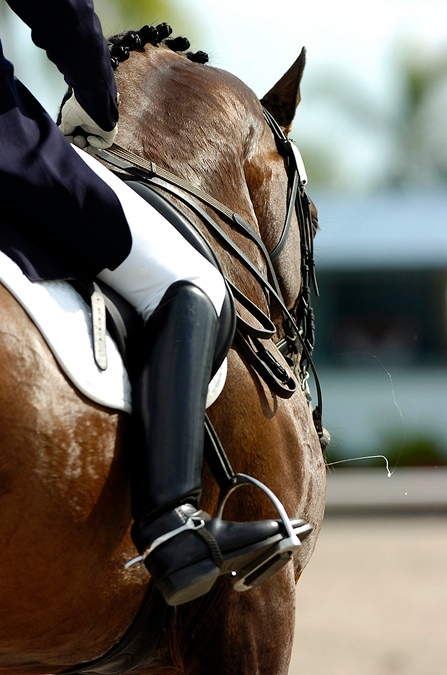
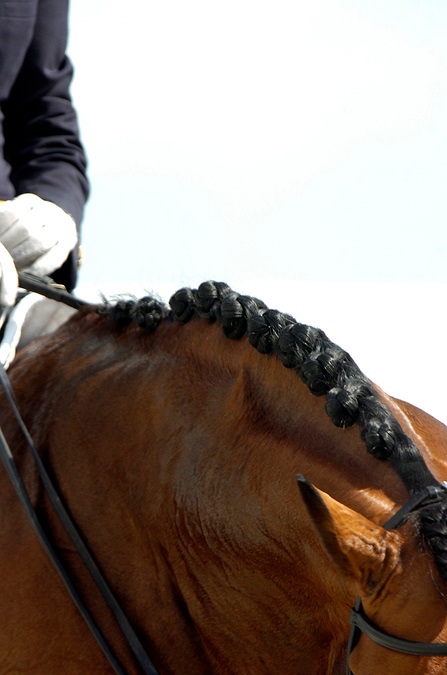
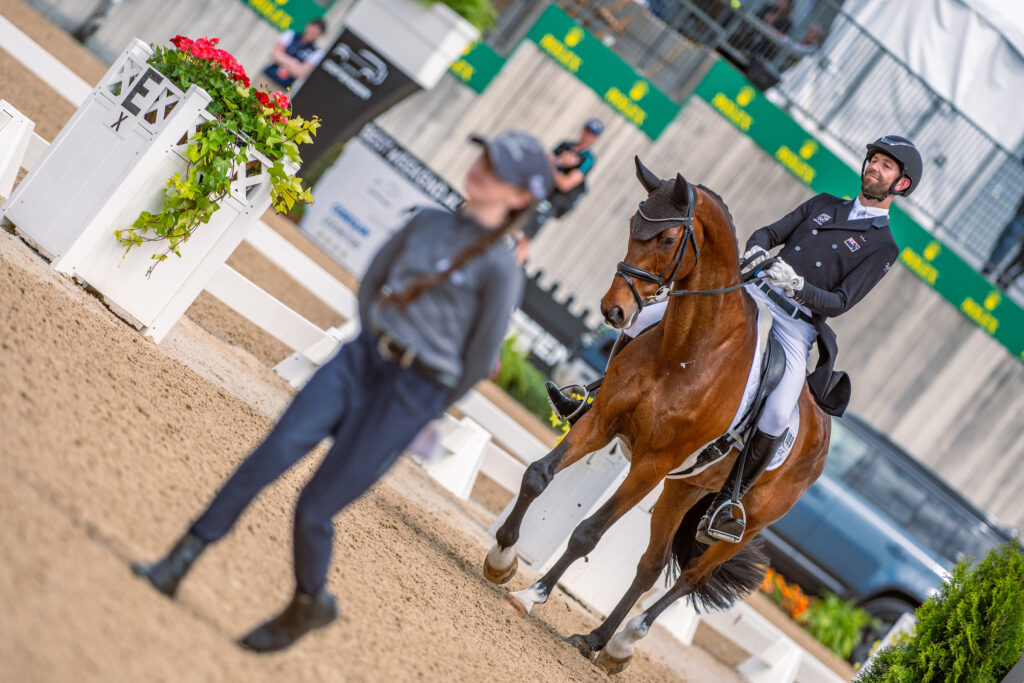
In addition to the razor-sharp focus, creative angles and stunning backgrounds that define Dragoo’s imagery, you’ll notice that each one of her shots tells a unique story with artistic framing, an emotional horse-and-rider moment or the myriad of aesthetic or germane details she’s worked into the backgrounds and foregrounds.
While we can’t give away all her secrets—and you should still make sure to support competition photographers when you can—Dragoo, who’s been shooting for Dressage Today for more than 25 years, kindly shares some of her pro tips to help you take your best dressage photos.
The Failed Biology Major Finds Her Artistic Eye
Fortunately for the equestrian community, Dragoo’s photography career was born after she failed organic chemistry at West Chester University in southeastern Pennsylvania. “I like to say I got my start because I was a failed biology major. That same semester I was failing chemistry, I happened to be taking photography as an art credit,” she said. “It just clicked with me.”
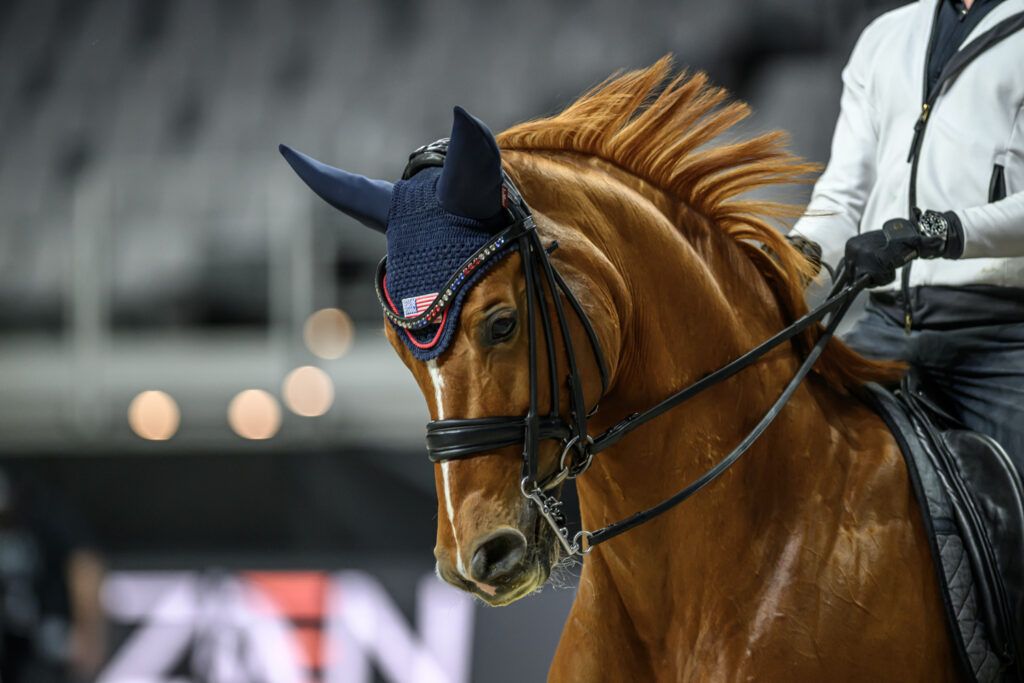
To viewers, Dragoo’s creative eye is evident, but the ever-humble artist says it comes down to lots of practice and hard work in the field. “My inspiration is constantly a work in progress. I take away fresh ideas from every event I cover,” she said. “When I first started shooting equestrian events, I didn’t look at other photographers’ work because I didn’t want to copy them. Now, I’m comfortable enough in myself to find inspiration in others’ work.”
In addition to her career as an equestrian photographer, Dragoo, who lives in Coatesville, Pennsylvania—just down the road from Grand Prix dressage rider Silva Martin’s Windurra Farm—also spent 20 years shooting for newspapers, covering a variety of sports almost daily.
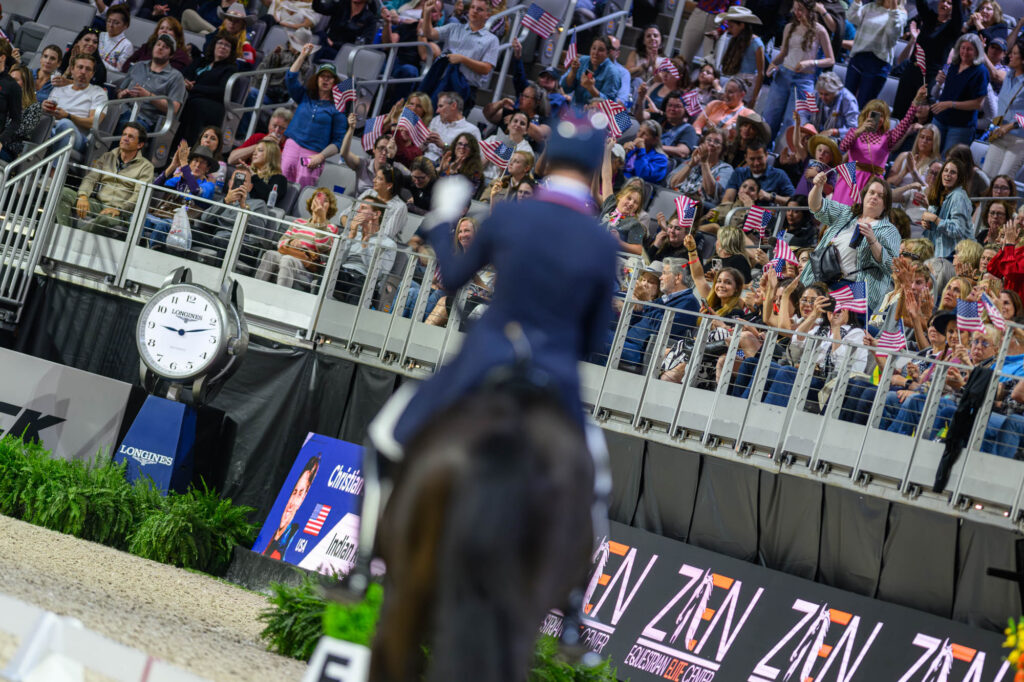
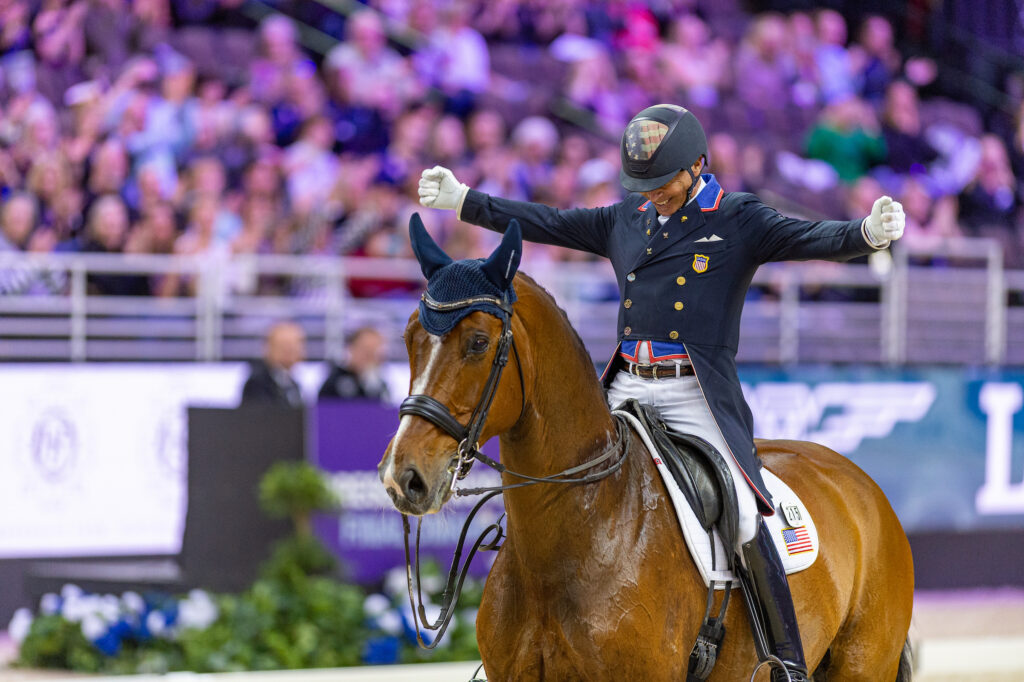
“I’ve always followed photographers from different sports for inspiration,” Dragoo, who formerly competed in the Intercollegiate Horse Shows Association, said. “So, I come to shooting equestrian sports from a journalistic perspective, but I also know what a ‘correct horse’ image looks like as far as form.”
How Dragoo Tackles Top Competitions
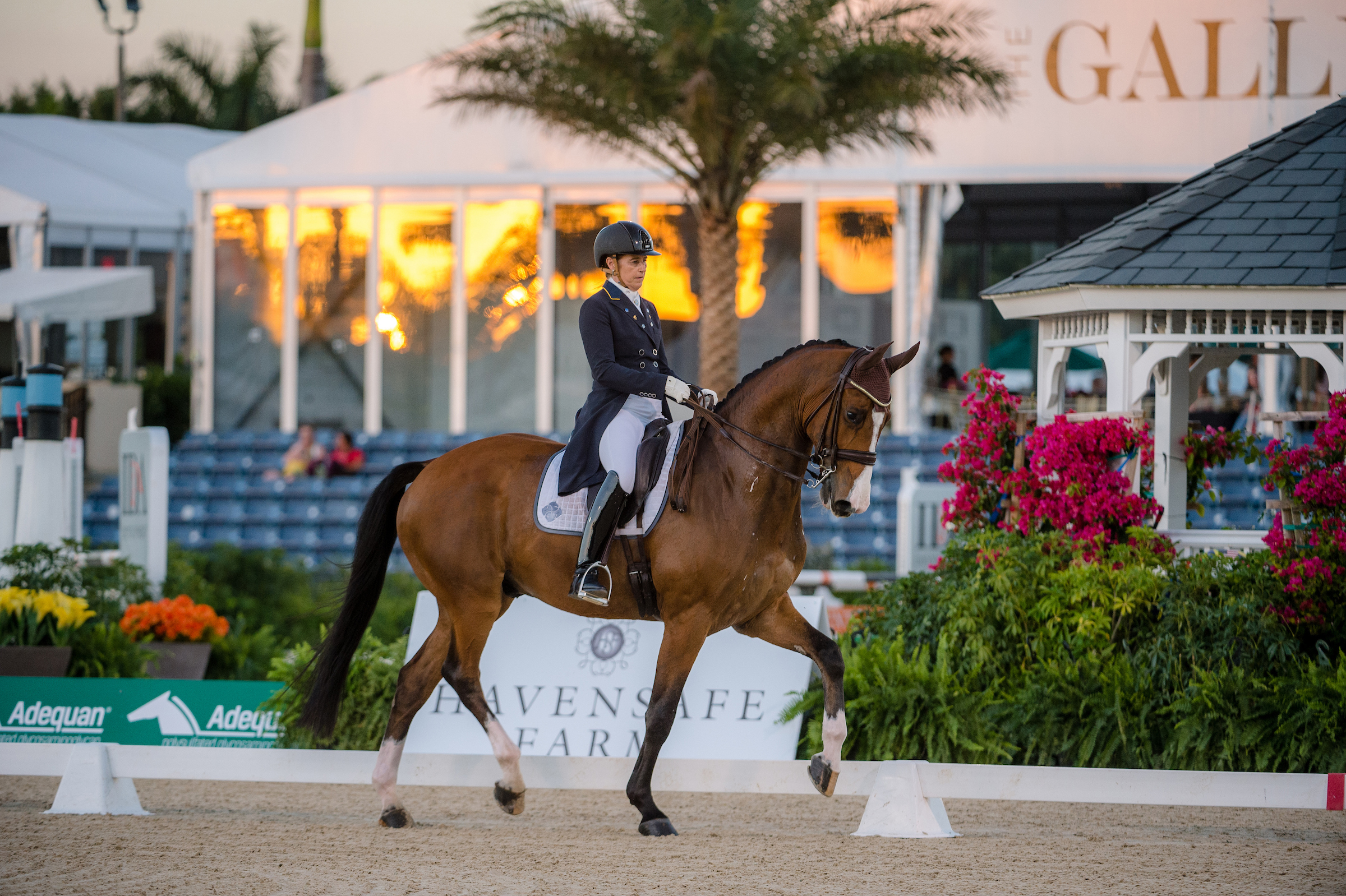
When shooting upper-level dressage events at venues like Devon, the Adequan Global Dressage Festival or the Kentucky Horse Park’s massive Rolex Stadium, Dragoo chooses her vantage points largely based on the test and arena layout.
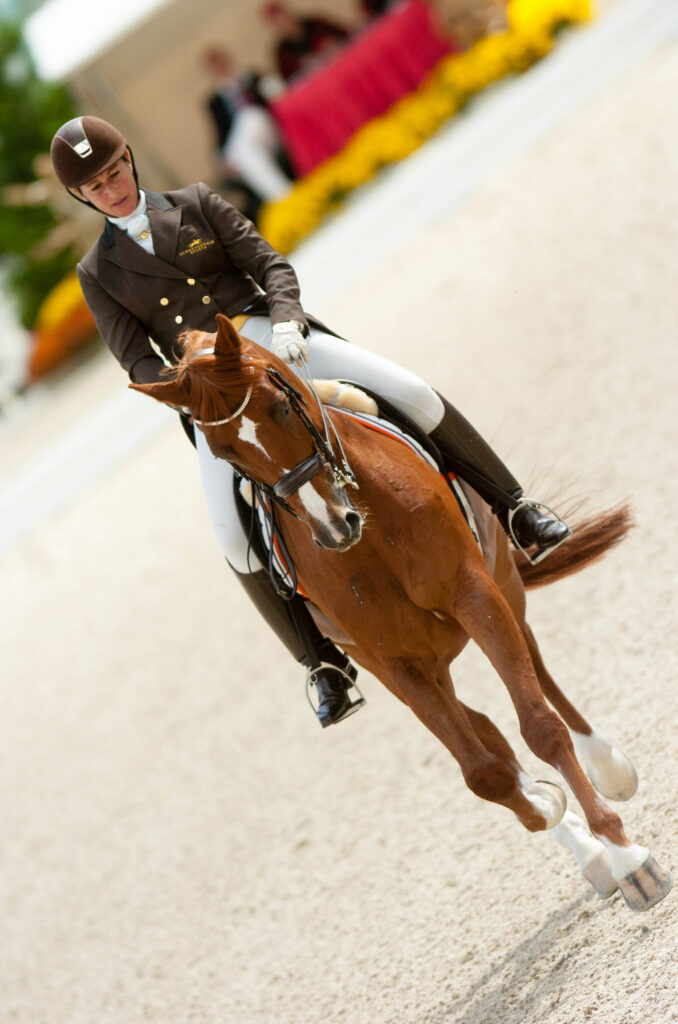
“The dressage tests typically call for a lengthening of stride across the diagonal and another lengthening in the corner of the ring, so I look at the tests ahead of time to figure out where I can best get those two views,” she noted.
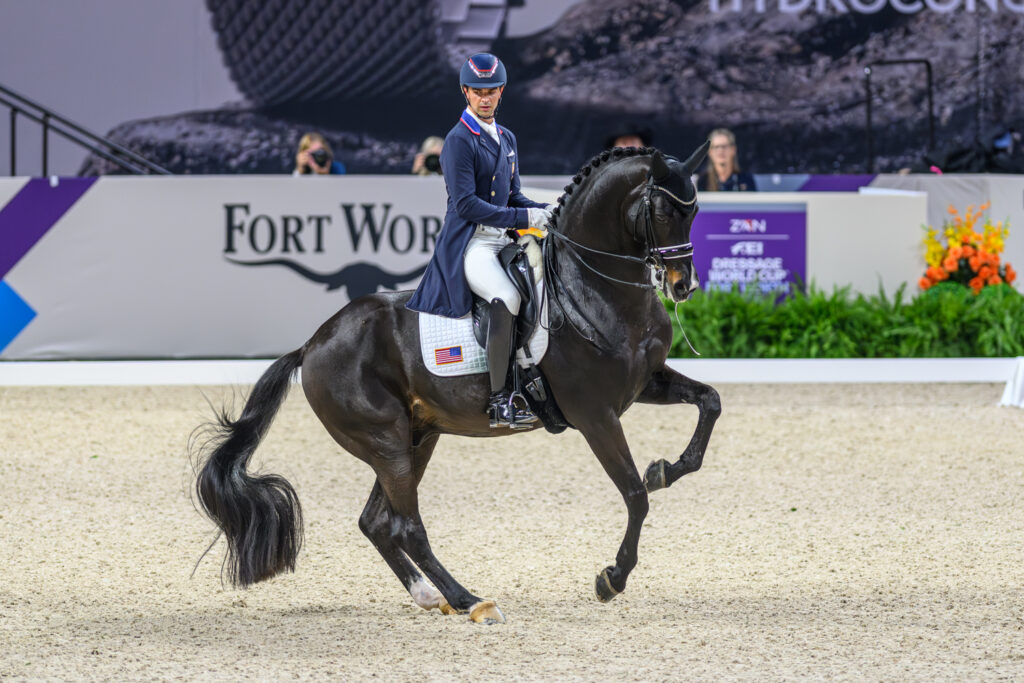
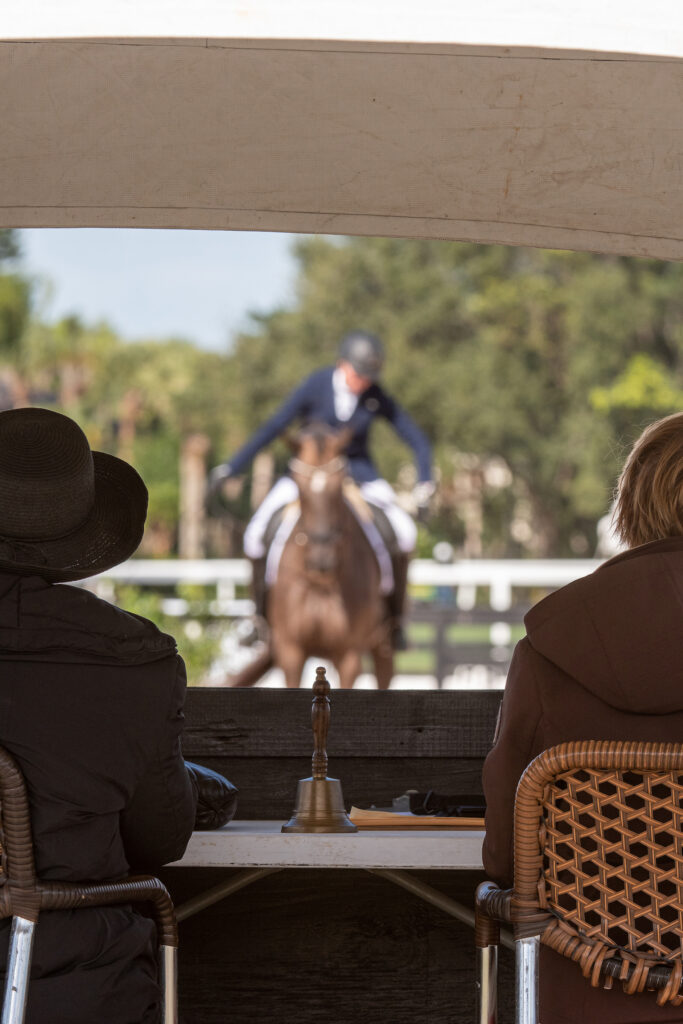
Depending on the competition, Dragoo says there are usually designated media areas in the arenas that face the grandstands to provide dynamic backgrounds with the crowd. At the Rolex Stadium, the media also has an area under the tower that offers shots of riders coming up the ramp, as well as views toward the judges and centerline.
“For dressage, I always plan for the particular movements I want to capture. When I’m shooting all or most of the riders, like I often do for Dressage Today, I always vary up my frames and angles,” Dragoo explained. “I don’t want to provide photos of everyone doing the same movement in the same test, so I shoot verticals and horizontals of different movements from different vantage points.”
Tips for Capturing Your Best Dressage Pics
Despite her experience shooting dressage competitions around the country, Dragoo notes that she still learns new tricks and strategies at every event. To capture the highest quality photos possible, she advises using the best camera you have access to, but these days even cell phones can take high-resolution images. Here, she shares some of her top tried-and-true tips to help you snap your best dressage photos.
Tell a Story
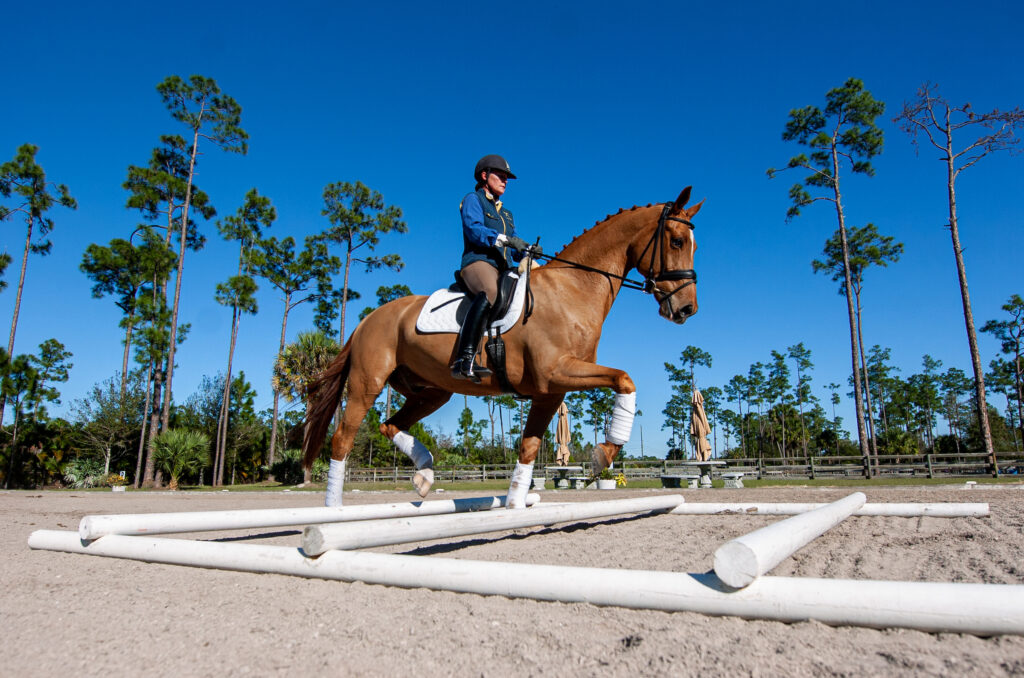
To help create interesting images, Dragoo suggests taking advantage of scenic backgrounds. “If you’re shooting a horse and rider across a field, experiment with different focal points, such as placing the horse and rider in a small portion of the frame,” she recommended. “You can also use large crowds in the background to create an interesting shot. Get creative with whatever background you’re working with.”
During the 2026 FEI Dressage World Cup™ Final, Dragoo captured a stunning image of Moody taking her victory lap aboard Jagerbomb using a massive poster of a Longines watch in the background.
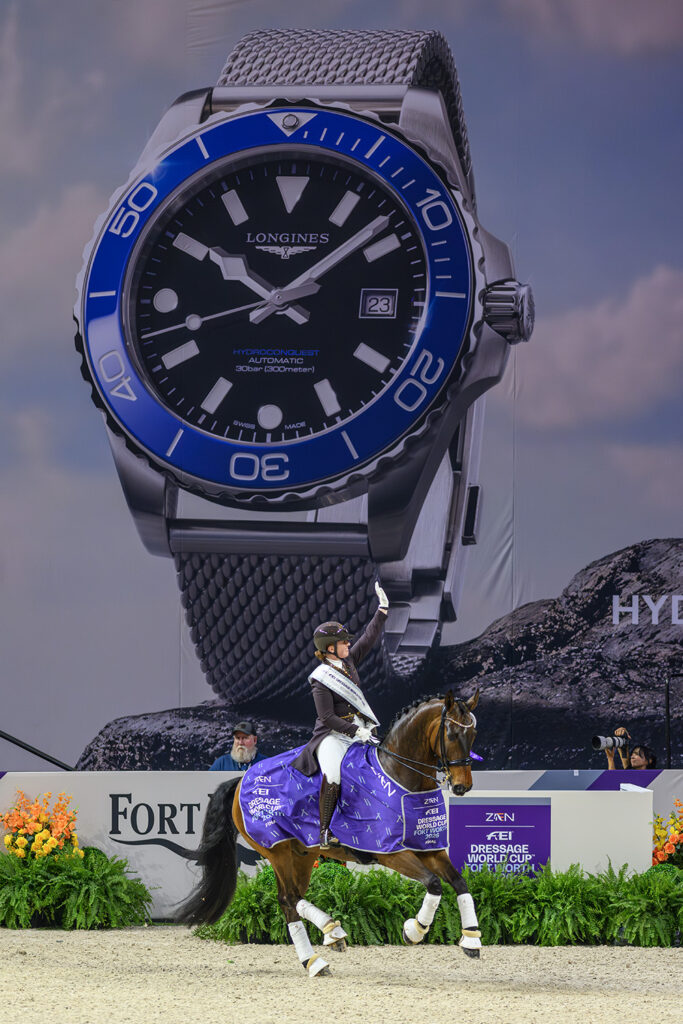
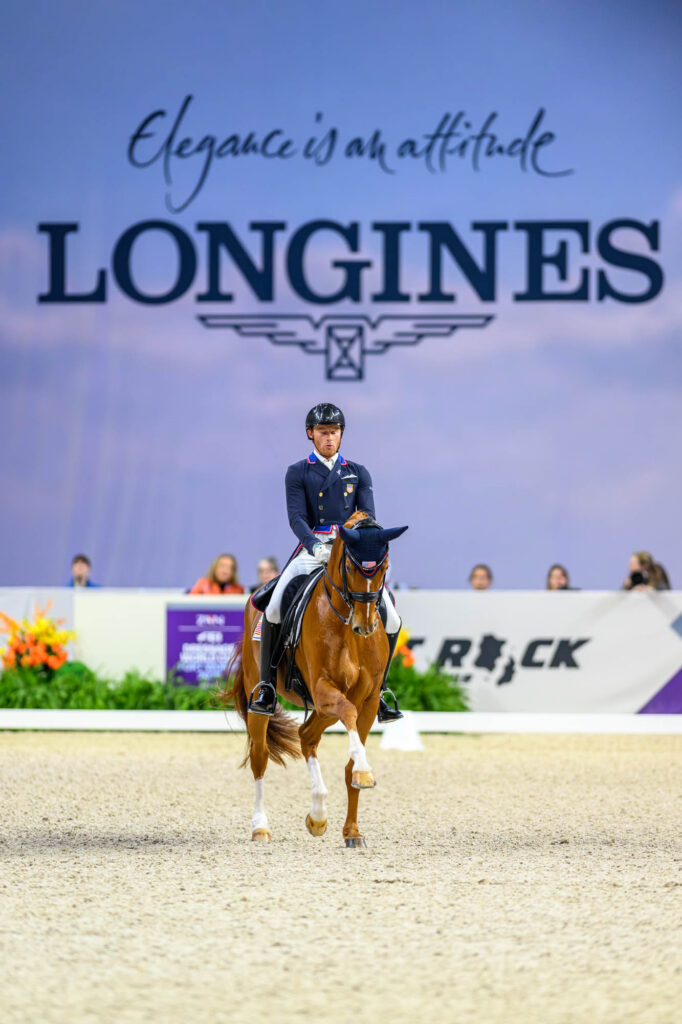
“Things like this suddenly make your image more interesting. They tell a story. That’s what I always try to do as a photographer—tell a story. I want to document the experience, so it’s not just a pretty horse doing a dressage test, but it gives viewers the experience of actually being a theater player,” Dragoo said. “It’s all about the reactions—the kiss-and-cry moments and the fans in the stands who catch my eye. It’s the journalist in me.”
Get Close and Keep Shooting
In almost all circumstances, especially if you don’t have a telephoto lens, Dragoo suggests getting as close to the action as you can and just keep shooting without always envisioning the perfect frame beforehand.
“So much of what I capture is unplanned and happens when I’m lucky enough to be in the right place at the right time. I set up and plan for certain shots, but a lot of it is off the cuff,” she noted.
Getting as close as possible also allows for better eye connection with her subjects. “Personally, I like to have some sort of eye connection with the horse or rider or both for the intensity of it,” Dragoo said. “That’s my general approach, but it doesn’t apply to everything. I want variety, too.”
Plan for Lighting
When shooting any type of equestrian competition, Dragoo notes that you’ll have to contend with different lighting situations, depending on the time of day and where the sun is in relation to the ring or whether you’re shooting indoors or at night.
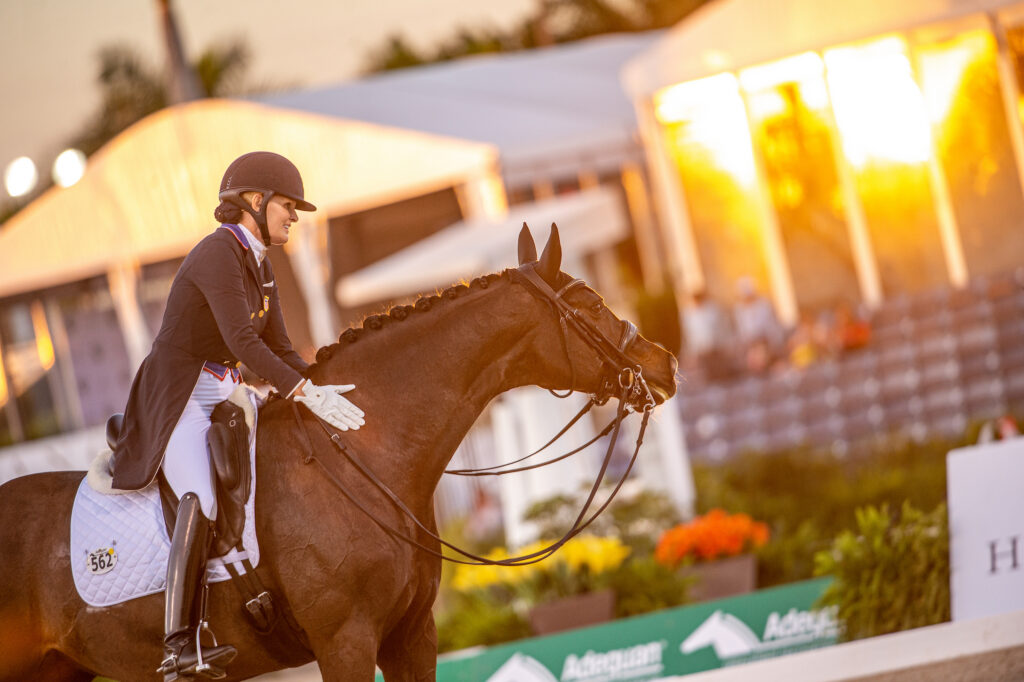
“If the sun is directly behind the arena you’re trying to shoot into, you’ll have to manually expose for the lighting. This is done all the time but it’s hard for amateurs to master, especially on the fly,” she said. “If possible, move to a different location where the sun is behind you. If you can’t, try to get something creative.”
Bites of the Apple
To boost your chances of getting quality images, Dragoo suggests shooting bursts of different dressage movements, if your camera has this capability. This can be especially helpful when shooting dressage. With single shots, she explains, it can be very difficult to capture one moment in time that is representative of a combination’s overall harmony and performance.
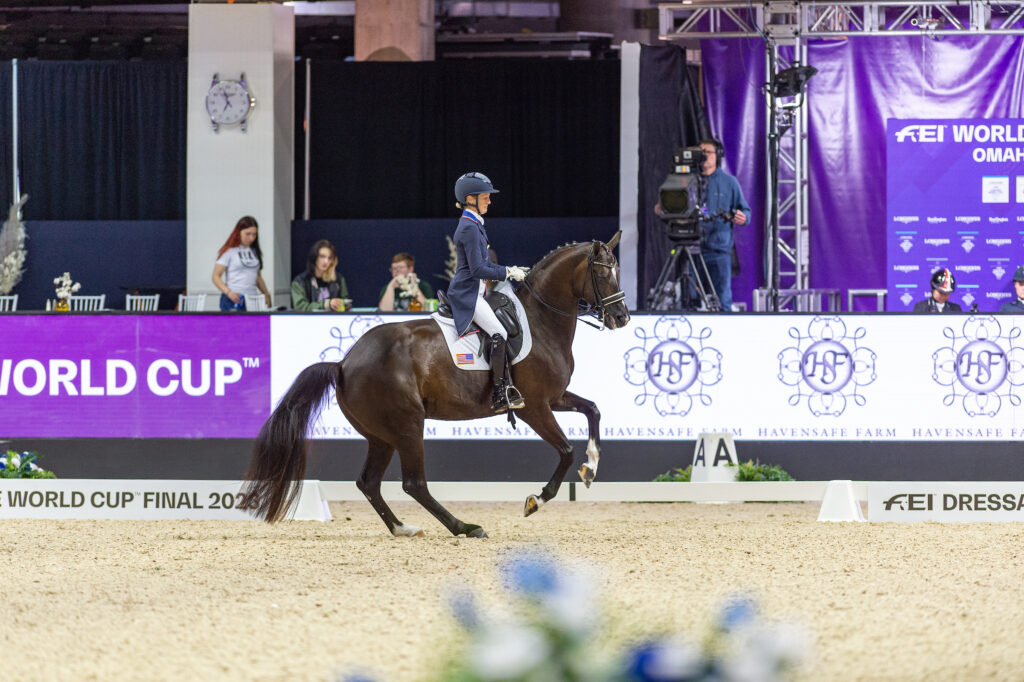
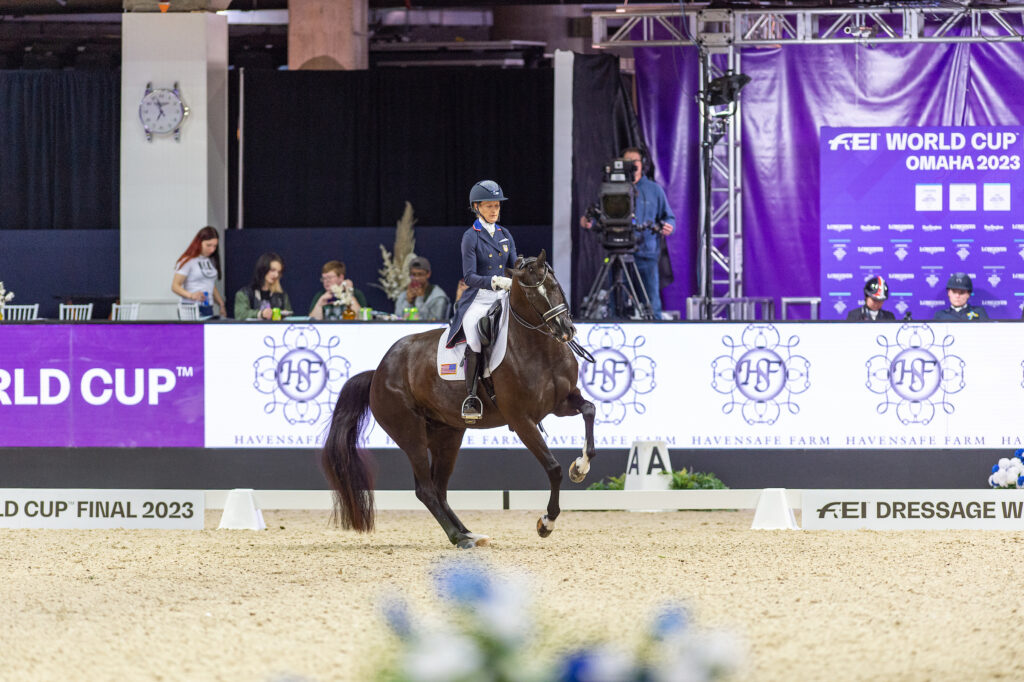
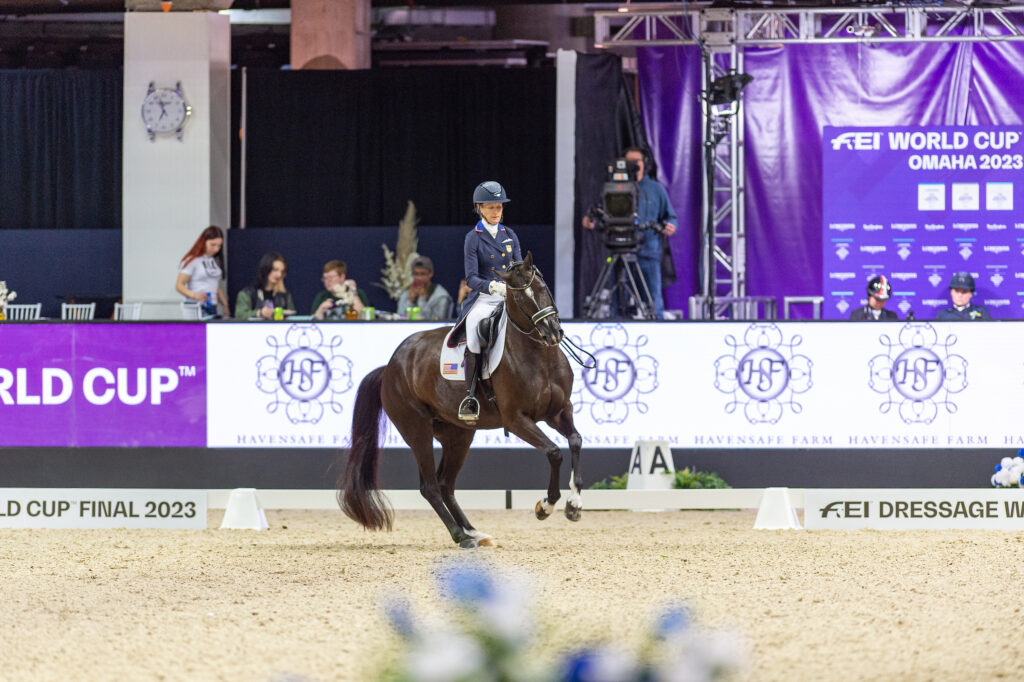
“Shooting bursts essentially gives you more bites at the apple,” Dragoo said. “Depending on the movement and the rider’s position in the ring, you might start with a wider frame and then allow it to get tighter as the rider travels toward you. This is a great and easy way to also get variety in your shots.”
Pay Attention to Perspective and Background
Finding a unique perspective, Dragoo notes, can also help you create an eye-catching shot. “Shoot from a seated position instead of standing or from the side versus straight on,” she suggested. “If you’re in a stadium environment and can shoot down from above, that also presents unique views.”
It’s equally important to pay attention to your backgrounds. “It’s amazing how often a Porta Potty or a vendor with a loud banner can sneak into your frame. One year at the Head of the Lake in Kentucky, there was a vendor behind the drop jump with a huge sign for ‘Ice Cold Beer’ in bright yellow and red,” Dragoo said. “It unfortunately drew your eye away from anyone in the foreground and made the shots kind of distracting.”
Follow the Media
When trying to determine where to stand to get the best shots at a big competition, Dragoo, suggests scanning the crowds for media. They can usually be easily identified by their vests.
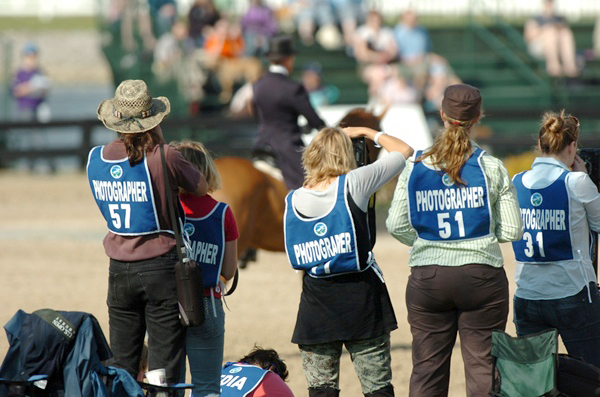
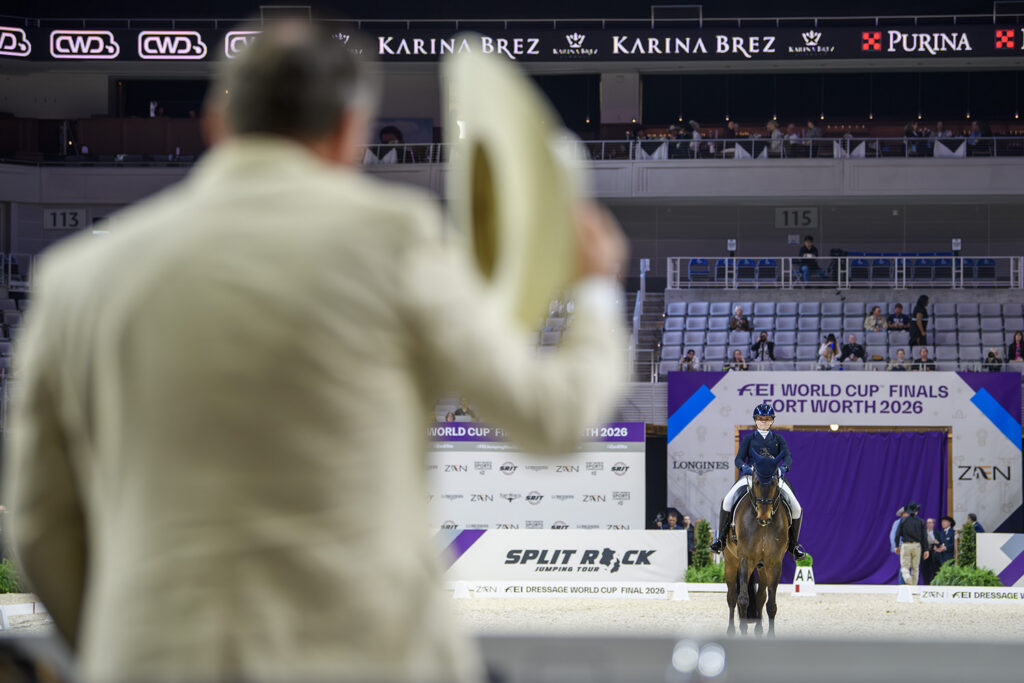
“You can’t stand in the media pens as a spectator, but that will give you an idea of where some good vantage points are,” she said. “Some of the professional photographers find their own spots, so if it’s really crowded near the media pens, look around to see where they’re shooting from.”
Consider Your Style
Before heading out to shoot a dressage competition or schooling session, Dragoo suggests looking at a variety of professional shots to determine what you like or don’t like about them.
“What draws you to the images you like? What angle were they taken at? Did it have a shallow or deep depth of field? What was the lighting like? When you’re on site, just look around to see what the professionals are doing,” she said. “And if it’s quiet, you could probably even talk to us or ask questions. I promise—we’re not too scary!”
More Images From Dragoo’s Dressage Portfolio