



 Team Prac
Q: If you’re riding a Training or First Level test, should you rise or sit the trot? And if you do opt to sit, do you get “extra credit” from the judges?
~ Nancy
A: This is a great question and one I get asked about a lot. When I sit a C, I prefer to see riders doing a rising trot at Training and First Level, because most riders at these levels don’t have the strength or quality of seat to sit the trot and be effective.
However, this is not true in every single case. It can be difficult to rise the trot on some horses. My previous horse Harley, who was a Percheron/Hackney cross, was a very expressive mover, but he didn’t have a lot of movement in his back. I literally couldn’t rise the trot. So, when I showed him at First Level, I sat the trot and no one ever commented on it. I like to think it was because my seat was good enough that I was effective at sitting.
When my students ask me whether they should rise or sit, I only encourage them to sit the trot if they are more effective while sitting, even if they don’t have the world’s greatest seat just yet. You might get a comment from the judge. If you do, smile and say thank you. You’re not there to explain yourself. You know why you were doing it.
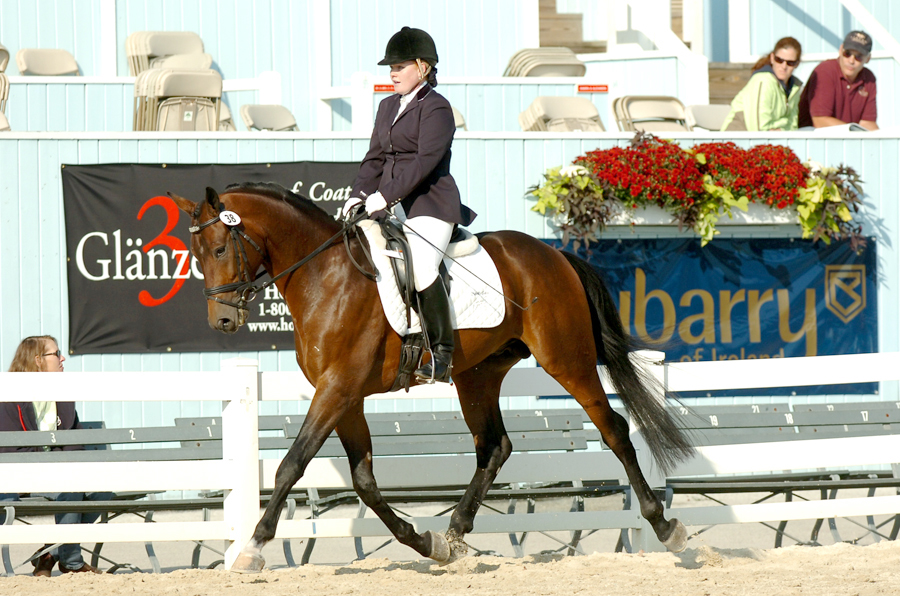
I might advise rising during certain parts of a test. For example, I was just judging a virtual test of a rider performing First Level, Test 3. She was a very capable rider and sat the entire test. While there weren’t any problems with her sitting the trot, I recommended she consider rising for her trot lengthenings because they were lacking cadence, suspension, ground cover and expression.
When you rise the trot, you can use the rise to encourage your horse’s hind legs. If you post with what I call a little more drama in your hips when you’re lengthening, you’re telling your horse to bring his hind legs more underneath him. You’re essentially encouraging the lengthening by using your biomechanics.
One of the other reasons I like for First Level riders to rise the trot for lengethings is because it helps stabilize the horse. As you go down the diagonal, you want to appear as if you start to grow instead whipping through the turn and shooting your horse across the diagonal.
Alternate Sitting and Rising
Another important thing to note is that in Introductory Level you must rise at the trot. That’s non-negotiable. But at Training and First Level, you have the option to rise or sit, and you can alternate between the two.
For instance, you can start across a diagonal at working trot (Training Level) or lengthening trot (First Level) sitting and then go to rising. You can start out on a circle in rising trot and go to sitting because you’re losing something and you need to get your inside seat bone on your horse.
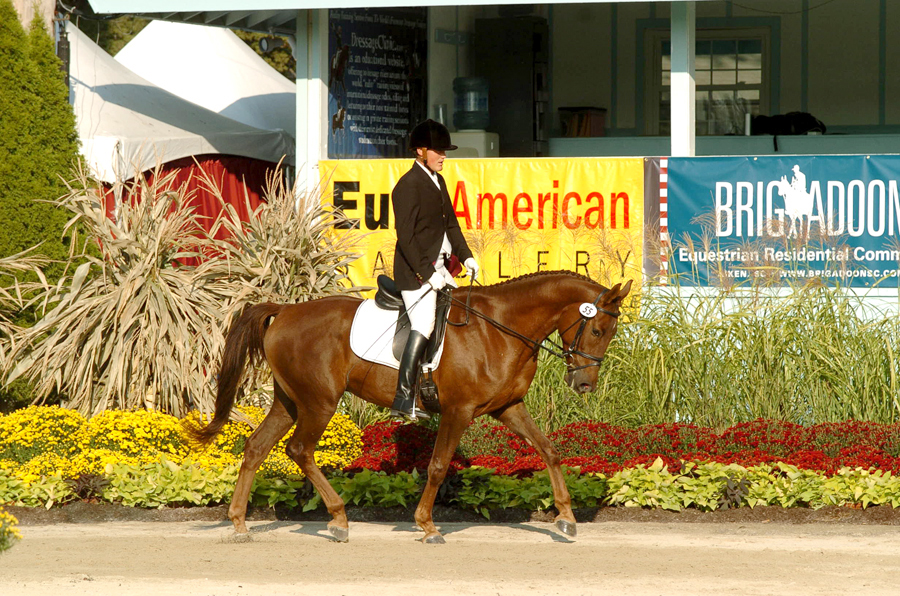
I remember a few years ago when Isabell Werth made a splash in international dressage because she posted a couple of steps at the extended trot. People were losing their minds that Isabell Werth posted. This kind of sums up what we’ve been talking about—she posted in those brief moments because it helped her horse perform his best in that moment.
Every single Olympian has had one of those moments. They’re horses, we’re humans, and we all make mistakes. So, at Training and First Level, sit, rise or do both—but carefully assess which is better for you and your horse.
For More:
- Read more with Aviva Nebesky here.
- You can listen to our Dressage Today Podast, hosted by Aviva and Stephany Fish Crossman, here.
About Aviva Nebesky
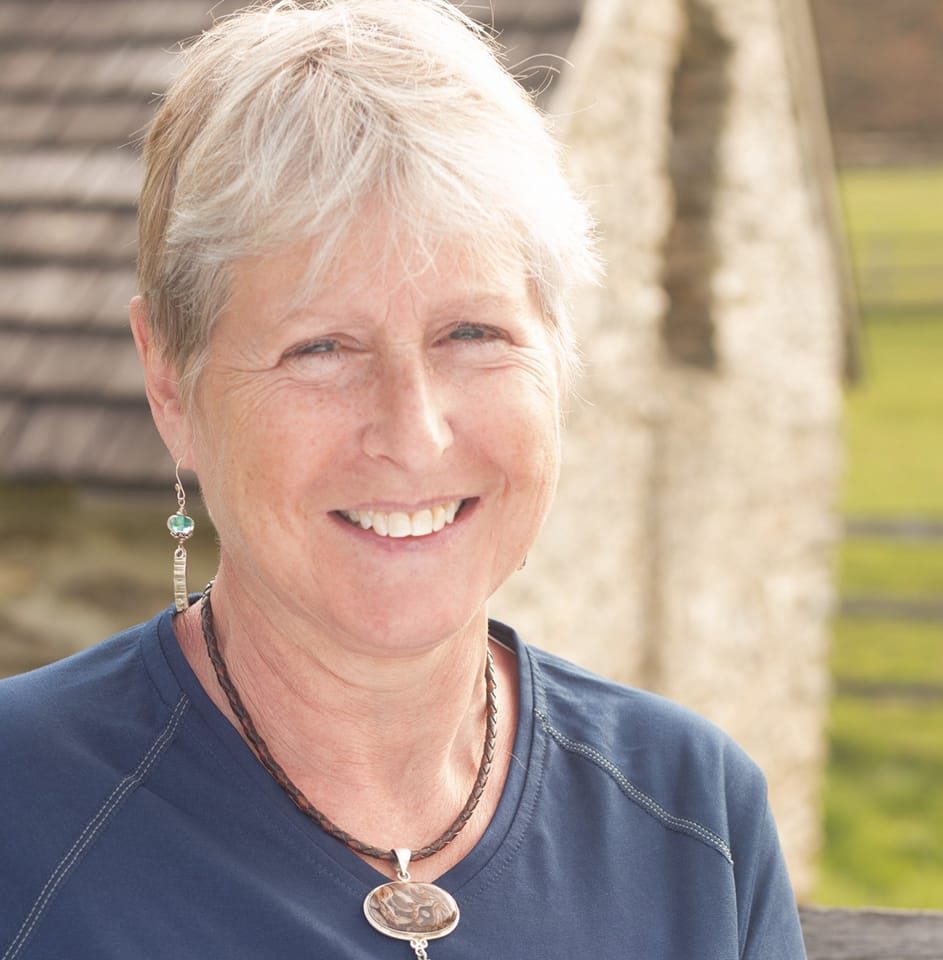
Aviva Nebesky started riding in her 30s, but horses rapidly took over her life and she went on to graduate with distinction from the USDF “L” Program. She actively trains and competes in dressage while maintaining a busy teaching and judging schedule throughout the mid-Atlantic. She has her USDF Bronze Medal and the Fourth Level scores towards her Silver and has competed internationally representing the USA at the Maccabi Games in Israel in 2022.
Aviva regularly works with eventers, working equitation riders, Western Dressage riders and traditional dressage riders and also cohosts the Dressage Today Podcast with Stephany Fish Crossman. With a master’s degree in social services and Social Research and decades of work in the field of physical rehab, Aviva specializes in working with adult amateurs with fear issues.