




 Team Prac
Whether you’re an advanced dressage rider, new to the sport or are muddling through the middle (where most of us find ourselves), participating in a dressage clinic is an important step for improved riding in any setting.
Clinics are a popular and powerful tool when it comes to passing on the passions and principles of classical dressage. They provide an ideal opportunity to learn from top instructors from all over the world and are an especially important resource for riders without regular access to quality instruction.
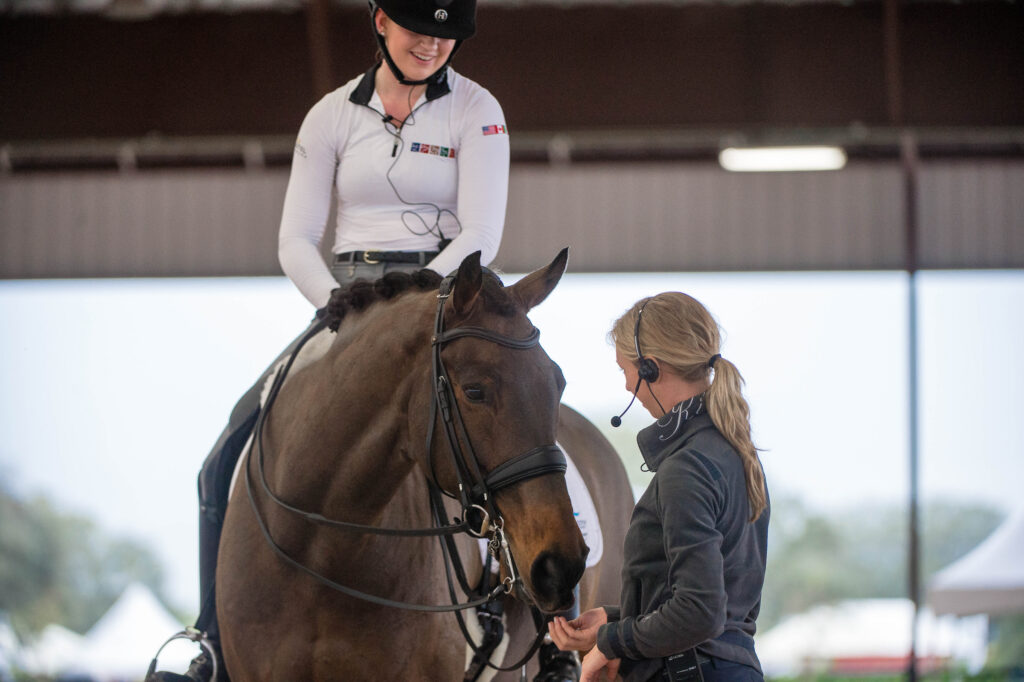
With the goal of doing your best and making a good impression, your clinic preparation can be as simple as sticking to your regular warm-up routine, making sure your horse is clean and well groomed, polishing your tack and boots and remembering to pack everything you might need. Here, we look at how you and your horse can best prep to get the most from your next dressage clinic.
How to Prepare for a Clinic
Some riders approach a clinic with the same focus as shows, while others are more relaxed. It depends on what you hope to gain from the clinic experience. Most riders are there to further their knowledge and experience, to improve their riding and expand their and their horse’s comfort zone.
Before attending a clinic, USDF bronze, silver and gold medalist and dressage clinician J.J. Tate suggests ensuring both you and your horse are fit and sound in order to get the most of out of your participation. “I also make sure that if we’ve traveled, my horse is comfortable in the new surroundings so that the experience isn’t wasted on getting him to relax,” she advised.
Here are some other simple ways you can prepare for a dressage clinic:
1. Horse and rider turnout: Make sure your horse looks pristine and is meticulously groomed from hoof to poll; while you don’t need to dress in show or formal attire, make sure your appearance is neat. Opt for a solid-colored top, tucked into clean breeches with a simple belt and make sure your boots are clean and well polished.
2. Tidy tack: Your saddle, bridle, horse boots/wraps, saddle pads and any other tack or equipment you use should be clean, polished, fit well and in good repair.
3. Arrive early: Whether you’re attending a local day clinic or are traveling a long distance for a multi-day event, arrive in plenty of time for your horse to get acclimated to the new environment. You know your horse best; if he tends to take longer to adjust to new surroundings, plan accordingly.
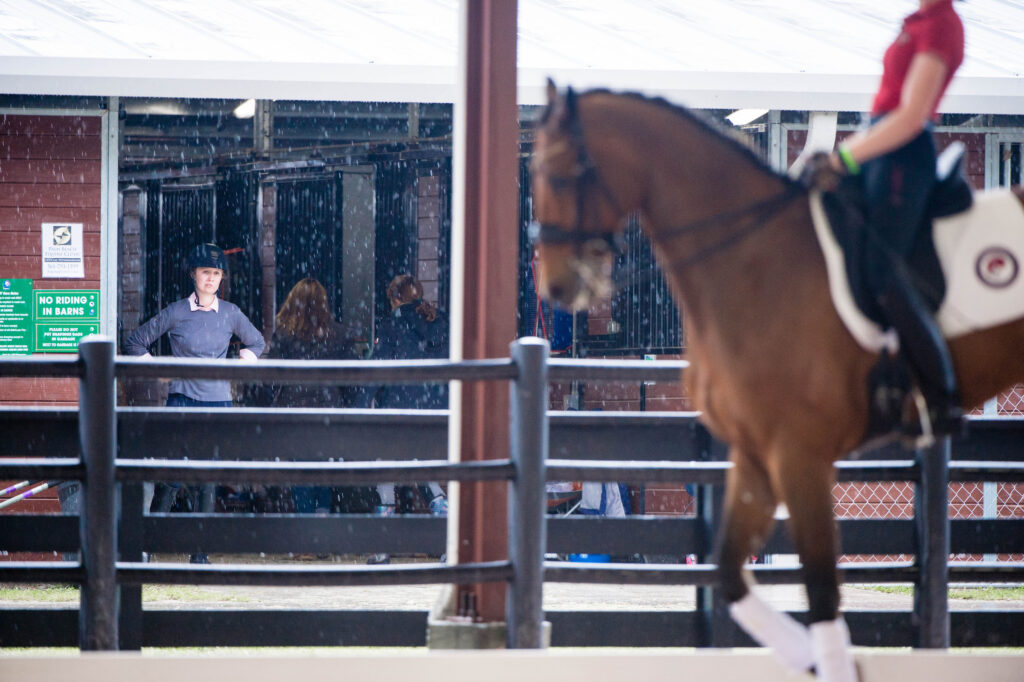
4. Savvy warm-up: Don’t overly complicate your warm-up. Focus on sticking with your normal routine that works best for your horse—not on drilling movements perfectly. Especially if your horse is somewhat anxious in the clinic environment, use your warm-up to ensure your horse is relaxed, balanced and on your aids.
5. Mental prep: Well before you attend a clinic, take inventory of any specific challenges you and your horse are currently working through and be prepared to ask questions on how you can improve.
6. Stay present: Ditch your phone, clear your mind of other distractions and breathe deeply so you can 100% focus on how your horse feels and are prepared to listen and absorb what you learn.
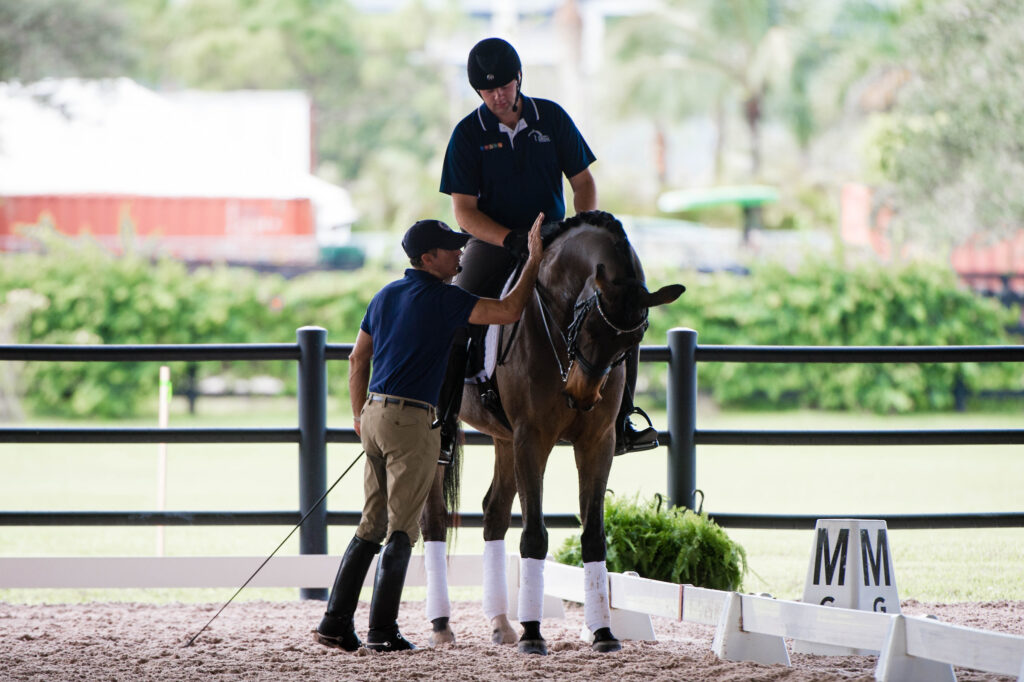
7. Ask questions: You’ve likely paid a lot of money to attend a clinic, so take full advantage of the opportunity and don’t be afraid to ask questions if you need further clarification on anything. If something isn’t clicking or working for your particular horse, speak up.
8. Observe others: Carefully watch other riders while listening to the clinician’s instructions. Watching others can help you identify areas in your own riding that might need improvement and better understand certain movements and correct aids.
9. Be open and have fun: Be respectful of differing opinions and remain open to new ways of doing things. You never know what might click for you and your horse. But also be willing to provide honest feedback when something isn’t working. Above all, have fun and enjoy the new experience with your dressage partner!
Dressage Clinic Packing & Prep Checklist
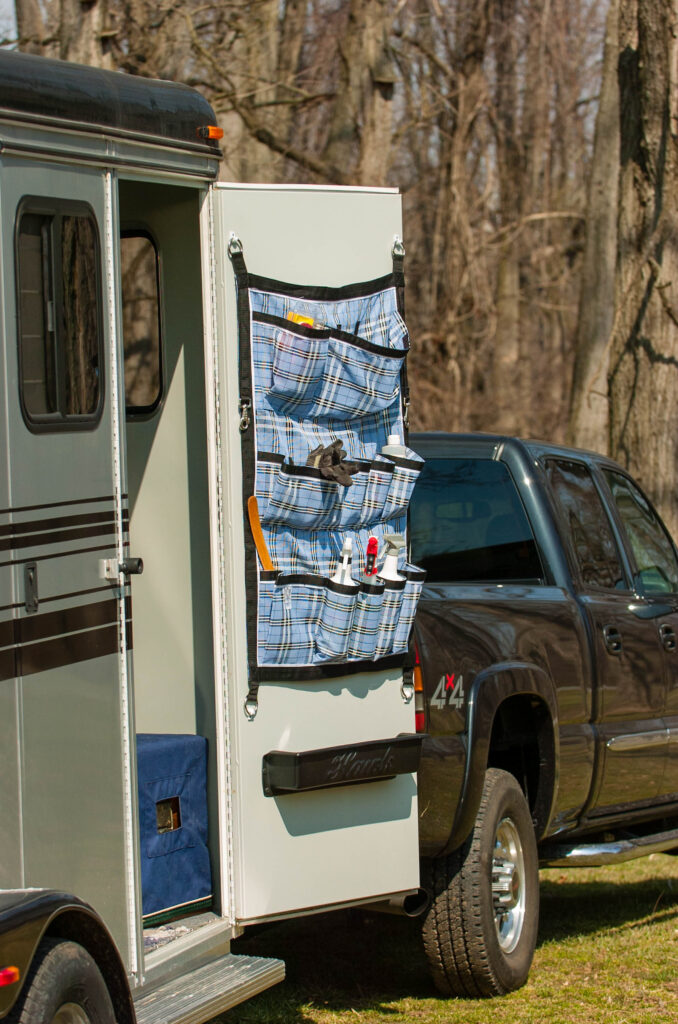
- Registration (and waivers)
- Stabling for your horse
- Hotel or other accommodations for you
- Coggins, vaccination record and health certificate as required
- Saddle
- Saddle pad(s)
- Bridle(s)
- Girth(s)
- Halter/lead rope
- Muck bucket, fork, shavings
- Hay, grain, supplements, treats
- Water bucket(s)
- Cooler/blanket
- Grooming gear
- Stall sign with your horse’s name, list of medications or medical issues and emergency contact information
- Helmet, gloves, whip, spurs
- Clothes, including extra breeches
- Food, snacks, water
- Camera
- Notebook
- Basic first aid kit
Dressage Clinic Resources
For more on how you can benefit from clinics on Dressage Today, click here.
To find clinics near you or with your favorite trainer:
- Check with your local dressage association/club, trainer and friends.
- Google your favorite trainers and check their schedules which are often published on their website or social media pages. Get on their email lists and follow them on social media.
- Visit with other riders and local dressage barns.
- You can also find clinic schedules on USDF.com.