




 Team Prac
Third Level riders coming down centerline starting Dec. 1 of this year will face a big change in the tack permitted at the level. After a rule change proposal was passed at the U.S. Equestrian Federation’s mid-year meeting in June, double bridles will no longer be allowed. Instead, riders will be able to compete with two bits for the first time at Fourth Level.
“Under current rules, there is no age limit for horses competing at Third Level, while horses competing at Fourth Level must be a minimum of six years of age,” stated the proposal for the change to DR121. “This rule change would prevent the use of the double bridle in competition on horses below the age of six. The change aligns with global equine welfare initiatives and best practices in training and competition.”
Mike Osinski, a Fédération Equestre Internationale five-star judge who was on the U.S. Equestrian Federation Dressage Sport Committee that introduced the rule change proposal, says this is a change that’s been in the works—or at least discussed—for about 15 years. After the 2024 Paris Olympic Games, when welfare came into focus like never before, discussion around tack, especially bits and spurs, intensified.
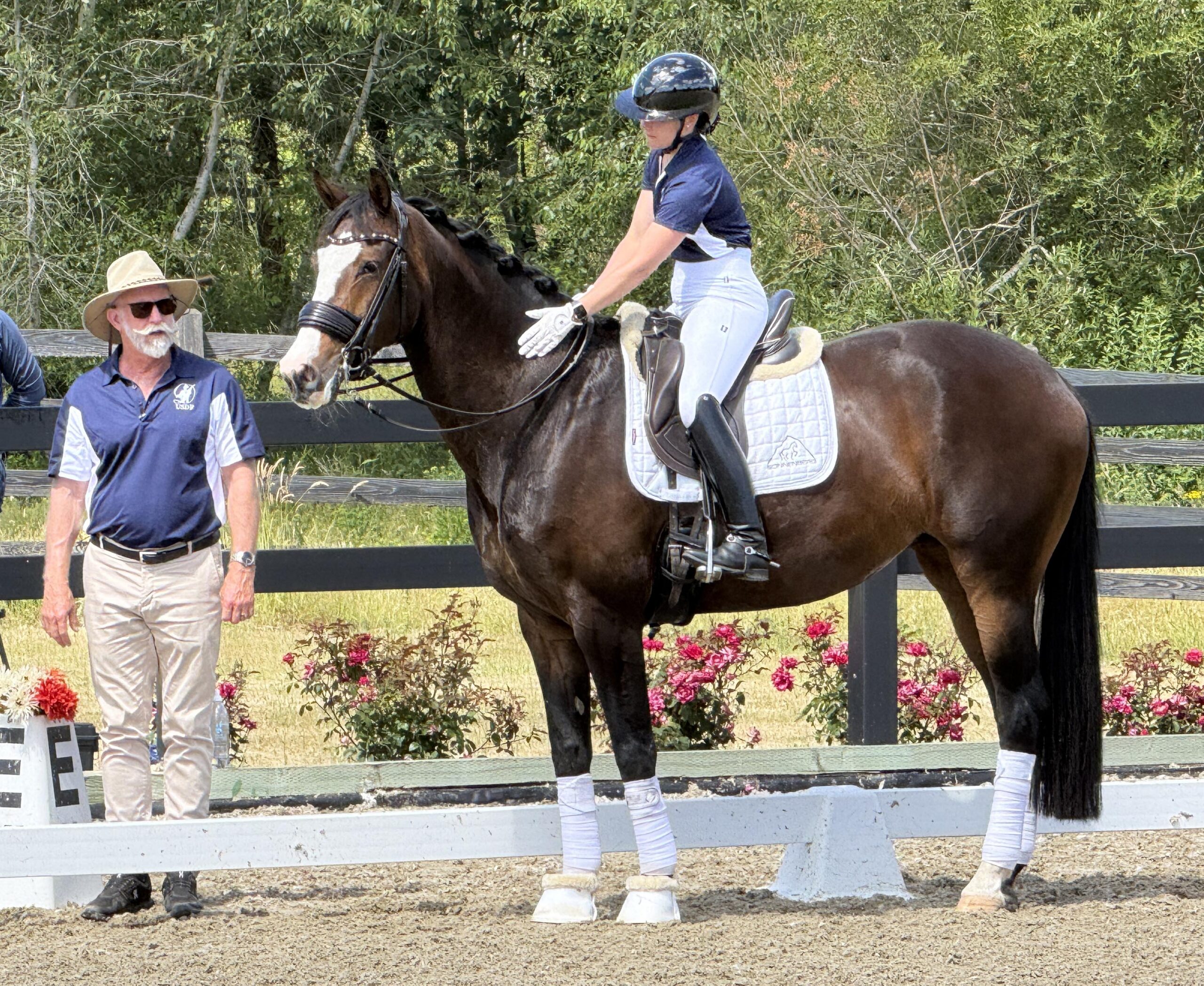
In the wake of that discussion, the Federation Equestre Internationale changed some of its own rules related to bridles. Starting this year, riders can now use a snaffle in Grand Prix classes through the CDI3* level.
“With the welfare discussion, you have people saying, ‘Why do they need double bridles?’” Osinski says. “Then the breeders now have gone from huge, heavy, thick-skinned, non-responsive warmblood tanks to horses that are light and Thoroughbred-like and sensitive. We’re screaming that there should be harmony, and then everyone says, ‘Well, then why do you need the double? Can’t you just use a snaffle?’ Then it just opens up further conversation.
“Then there are the horses,” he continues, “and many of them say, ‘Two bits in my mouth is offensive, and I’m not going to take that.’ But then you can say on the opposite, there are other horses who say, ‘I really prefer two bits and a lighter contact. Don’t give me the snaffle.’ Now, answer that question with a rule. But this conversation has been around a long time; this is not a knee-jerk reaction.”
In the FEI 6-Year-Old tests, which are roughly equivalent to Third Level, horses are required to wear snaffles. But with the previous USEF rule, it was possible that a 5-year-old horse could compete at Third Level in a double. The revision prevents that situation.
“At about that level, the development of a young horse and its training is approaching all of the pieces, so you’re finalizing your lateral work with half-passes, and you’re teaching them flying changes, and you’re trying to approach ultimate collection,” Osinski says, “and you would like them to learn it in less hardware and more balance, and not rush the training by saying, ‘It’s locked down because of a double bridle.’ If it lost balance, then it’s going to crash into a curb chain. The theory then is that you should wait until those basics are at least established—maybe they’re not finalized—and then say, ‘Now refine those aids with the double bridle.’ That’s the general idea.
“But there are all types of horses, you know, and there are all types of riders,” he adds. “I think in the past, it was a very strong push to keep the amateurs secure on their horses, and of course safety is number one, and that is the most important. There are more amateurs than there are Olympic medalists, so, what are we doing here? But in general, everyone now says the horses are well bred, and the training is much improved, and so should the equipment improve.”
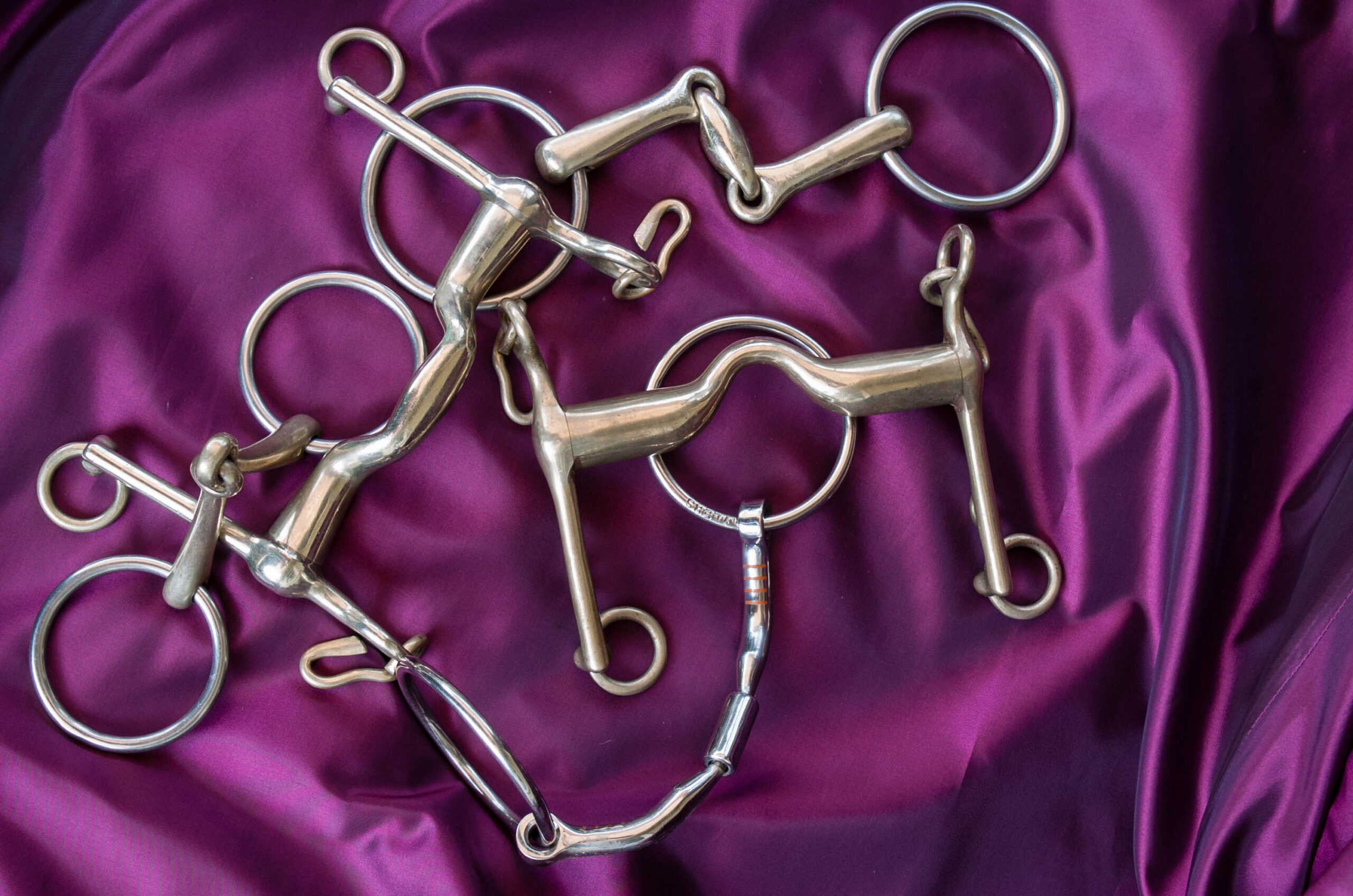
He notes, in his work judging across the country, he’s seen horses complete exceptional Third Level tests in double bridles, and he has horses who go better that way than in snaffles. But the other end of the spectrum exists as well.
“Going through school, I hated statistics,” says Osinski. “But the bell curve of life is everywhere: You have a little bit of bad at the bottom, you have a lot of stuff in the middle, and then you have a little bit of really good at the top. Some of the horses are getting lost in the struggle, whether it’s a lack of talent or training or anything across the board, and so then when we judge anywhere across the United States, and even in Europe, you see some really bad connections. I saw one horse, it’s literally licking its chest, its tongue is so far out of his head. When those things happen—and that’s what we all talk about, the trainability—you say, ‘How do you fix that?’ And most everyone goes, ‘It’s ruined.’
“When you see that, you think, ‘Maybe they shouldn’t have that.’ ”