




 Team Prac
Cribbing is a behavior seen when a horse puts his teeth on a (usually) horizontal surface, grabs on and seemingly sucks in air while making a kind of grunting sound.
Fifty years ago, cribbing was thought to be something horses did when they were bored or in chronic pain. Some believed that it released a type of endorphin. The other thought was that horses cribbed when they were hungry, trying to fill their stomachs with air to make them feel full.
Many veterinarians and equine behavior experts also believed that horses learned cribbing from other horses, but this appears not to be the case. In those days, cribbers were primarily off-the-track Thoroughbreds, which made me wonder what it was about the racetrack environment and lifestyle that might contribute to cribbing.
Factors That Contribute to Cribbing
There are several factors that seem to contribute to horses acquiring a cribbing habit. One is dietary. Lack of roughage has an effect on the frequency of cribbing. There is a significant reduction in cribbing when horses are fed forage, and a significant increase when horses are fed grain.
Horses fed a diet of sweetened feeds were found to crib 30 percent of the day versus 16 percent of the day when they were fed plain oats. Horse cookies, carrots and apples also contain enough sugar to incite cribbing. Researchers have found this so reliable, they often use it to evaluate drug efficacy for the reduction of cribbing.
When horses are exposed to long periods without feed or forage, it can result in both emotional and physical stress that also puts them at increased risk of cribbing.
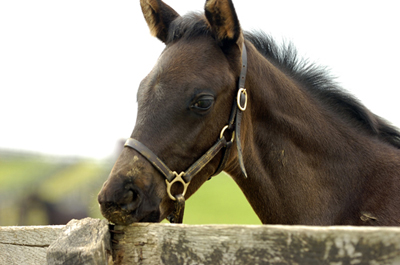
There seems to be a link between cribbing and an increased incidence of gastric ulcers. What is not clear is how this link forms. Some cribbers don’t have ulcers, and many horses with ulcers don’t crib. Cribbing, however, does stimulate the vagus nerve, which helps decrease stomach acidity. Foals who crib definitely have more serious stomach ulceration issues than foals who do not.
Additionally, researchers believe that there’s an heritable component to the incidence of cribbing. Thoroughbreds have the highest population of cribbers, at around 10 percent. Interestingly, racing Standardbreds, who have similar lifestyles to racing Thoroughbreds, have a much lower incidence of cribbing within the breed.
Consequences of Cribbing
There are several consequences of cribbing that need to be considered so you can take any necessary precautions. One is the uneven dental wear of the incisors. Most horses seem to still be able to eat and graze despite uneven wear.
Overdevelopment of certain muscles of the underneck can result from cribbing. In terms of dressage, these are some of the muscles horses use to come above the bit or brace against the reins—not something we try to develop in our dressage horses or in any other equestrian discipline for that matter. Ultimately, stylohyoid osteoarthritis can develop, contributing to difficulties in bitting.
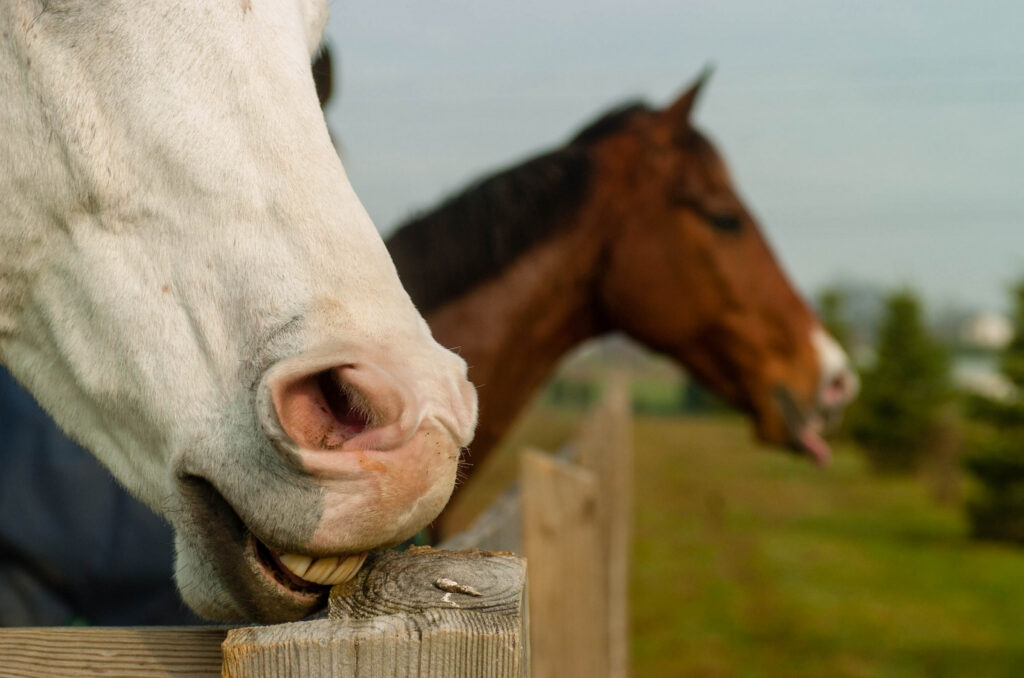
Veterinarians have long thought that cribbing would lead to problems with gas colic. While there have been no studies to substantiate this, cribbers are 10 times more likely to suffer from epiploic foramen entrapment. This occurs when a segment of small intestine slips through a hole (foramen) that separates the omental bursa from the peritoneal cavity.
It causes strangulation of the small intestine, is acutely painful and requires immediate attention. The survival rate for this surgery is not promising. Retrospective studies indicate that 78 percent of horses might be discharged, with 34 percent of the horses surviving two years after surgery.
Best Management Practices to Keep Cribbing at Bay
Whether you have a cribber or not, certain management practices can reduce the likelihood of your horse acquiring the habit or diminish the frequency of cribbing.
- It’s critical to either have forage or pasture available at all times. If your horse is a chow hound, try using a slow feeder to lengthen the time he has forage available.
- With certain horses, it’s worth getting your hay analyzed for sugar content. Provide low-sugar hay if your horse is a cribber or an easy keeper, has hypothyroidism, is insulin resistant or has Pituitary pars intermedia dysfunction (Cushing’s disease).
- Minimize sweet treats.
- You may want to have your veterinarian check for ulcers.
- There are many types of anti-cribbing collars available that can often help reduce the frequency of cribbing.
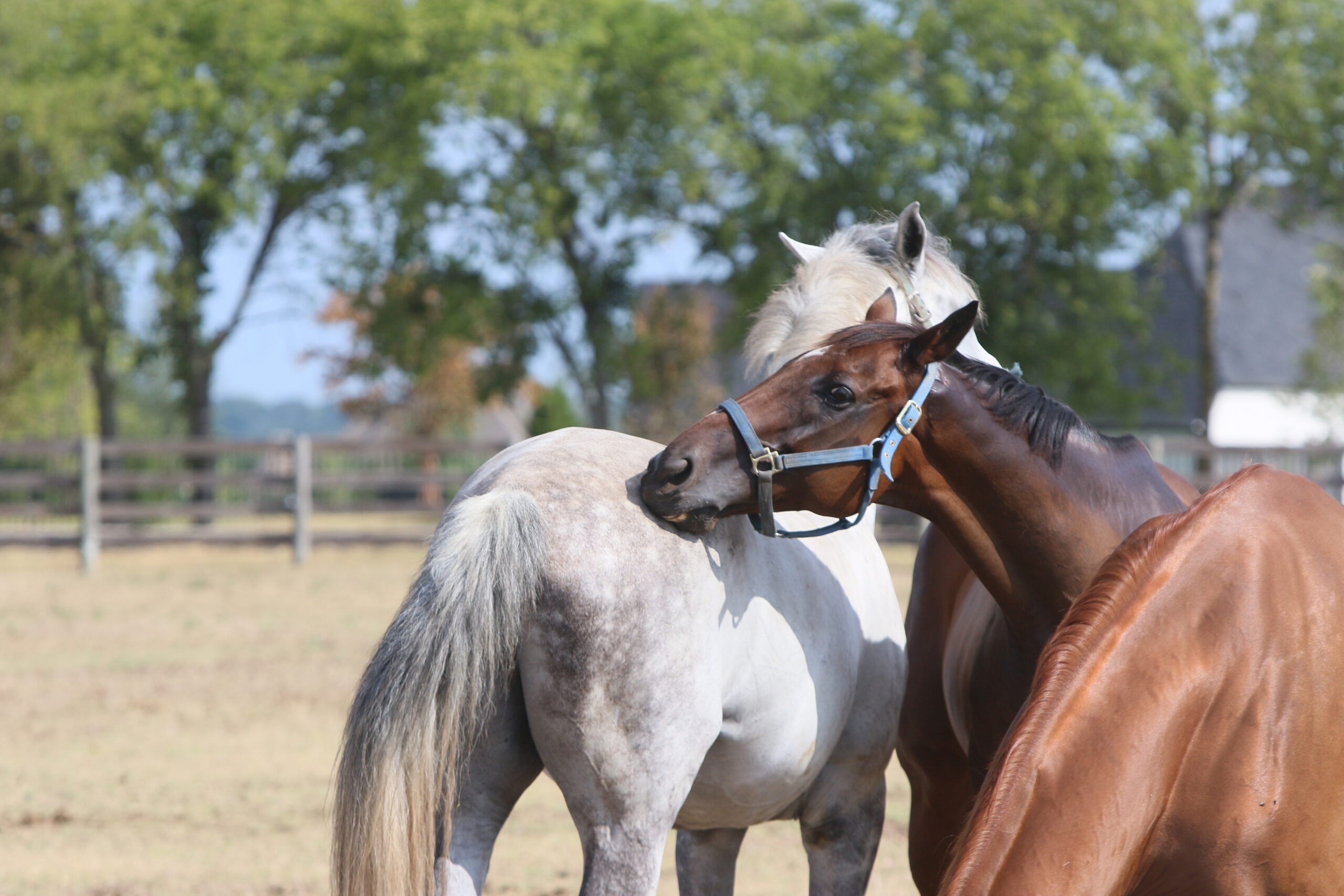
- Also, considering the fact that horses are herd animals and are happiest when they have company, make sure your horse has regular access to his barnmates.
The bottom line: Lots of forage and friends are the best management tools for cribbers and cribbing prevention.
About Tina Steward
Tina Steward, DVM, holds a bachelor’s degree in zoology, a master’s in nutrition and completed her DVM as a Regents Scholar at UC Davis. She has ridden through Grand Prix on several horses she trained, and she has hundreds of students who have competed at the FEI levels. Many have received their USDF silver and gold medals and several have competed internationally. Based in Eugene, Oregon, she specializes in chiropractic and lameness issues and conducts dressage clinics throughout the West Coast and Virginia. Her website is tinastewarddvm.com.