



 Team Prac
Tradition remains at the core of dressage fashion, but the sport’s attire has also seen significant change over the years. In the past, riding apparel was largely made out of cotton, nylon and polyester—fabrics that were ill-fitting, hot and had little to no stretch. In recent years, however, manufacturers have made huge strides in harnessing technology that has long served the performance-wear of mainstream sports.
This innovative drive enabled dressage fashion to evolve from its early roots with military uniforms into the sleek, high-performance athletic wear we see in today’s Grand Prix arena. In dressage, it’s important to look sharp and well turned out for competition, but riders are also high-performing athletes who need clothing that is just as functional as it is fashionable. While preserving its classic, conservative aesthetic, the sport has come to embrace technical fabrics for enhanced range of motion, modernized footwear and prioritized safety with ASTM/SEI-certified helmets replacing the traditional top hats.
Here, we’ll take a look at classical dressage dress, the change its undergone over the past 30 years and how the sport’s apparel continues to reflect its legacy while also adapting to rider needs and contemporary fashions.
At a Glance: History of Dressage Attire
Long before becoming an Olympic sport, dressage originated with European calvary training that was known for its discipline, precision and polished presentation. When military officers later rode in early dressage competitions, the sport’s fashions were first defined by stiff, restrictive fabrics like wool, highly structured silhouettes and tall, stand-up collars. Even now, both active and retired military personnel are permitted to wear their official uniforms in dressage competition.
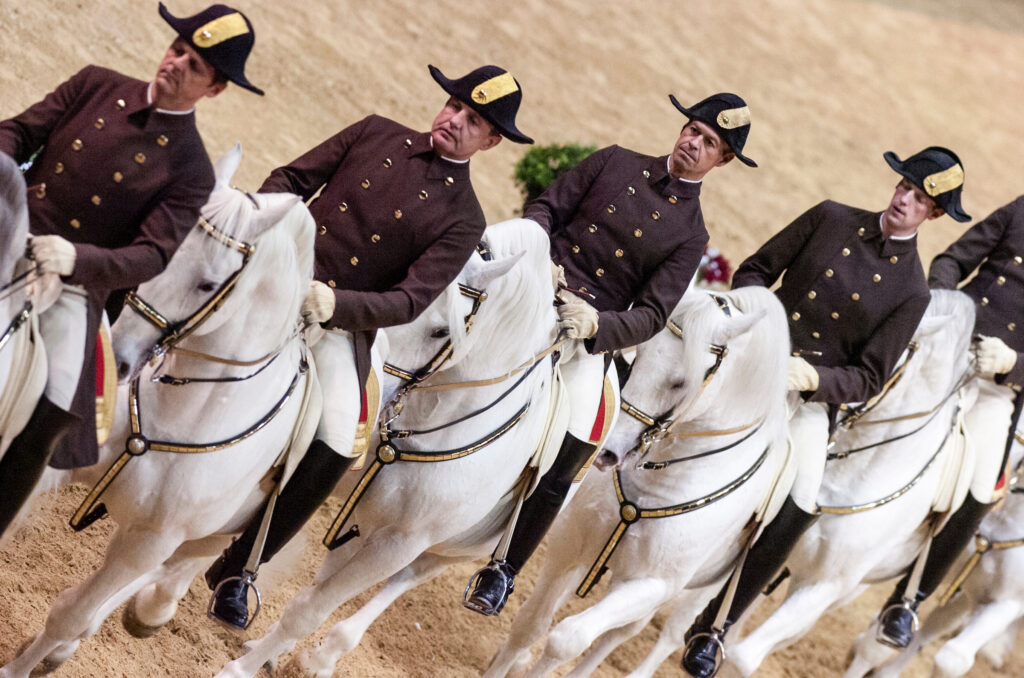
Many elements of today’s formal dressage attire reflect the discipline’s military roots:
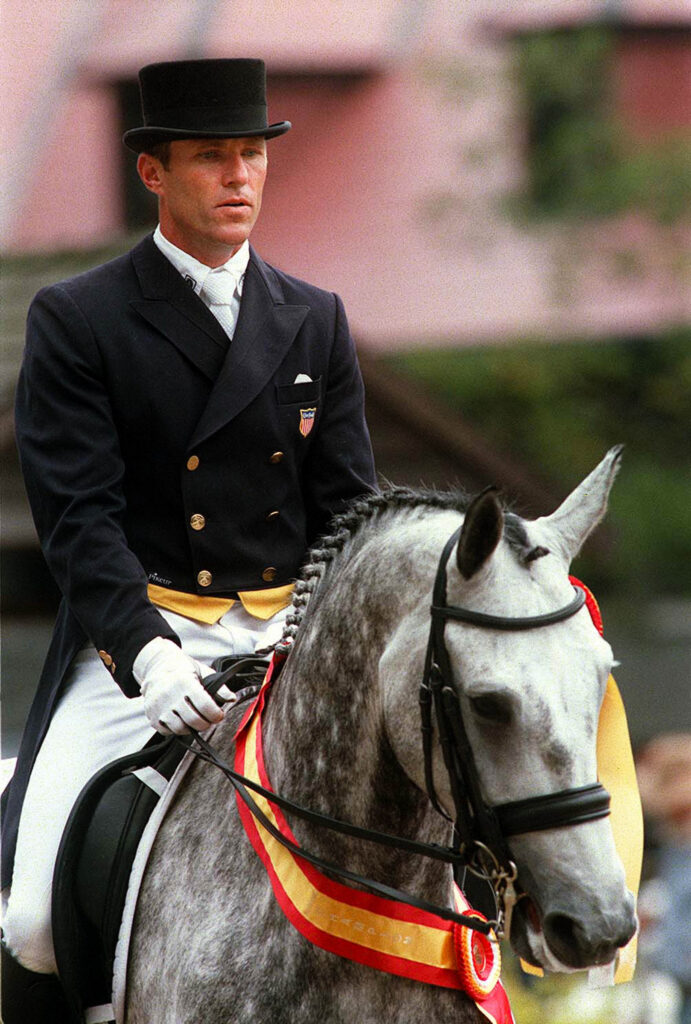
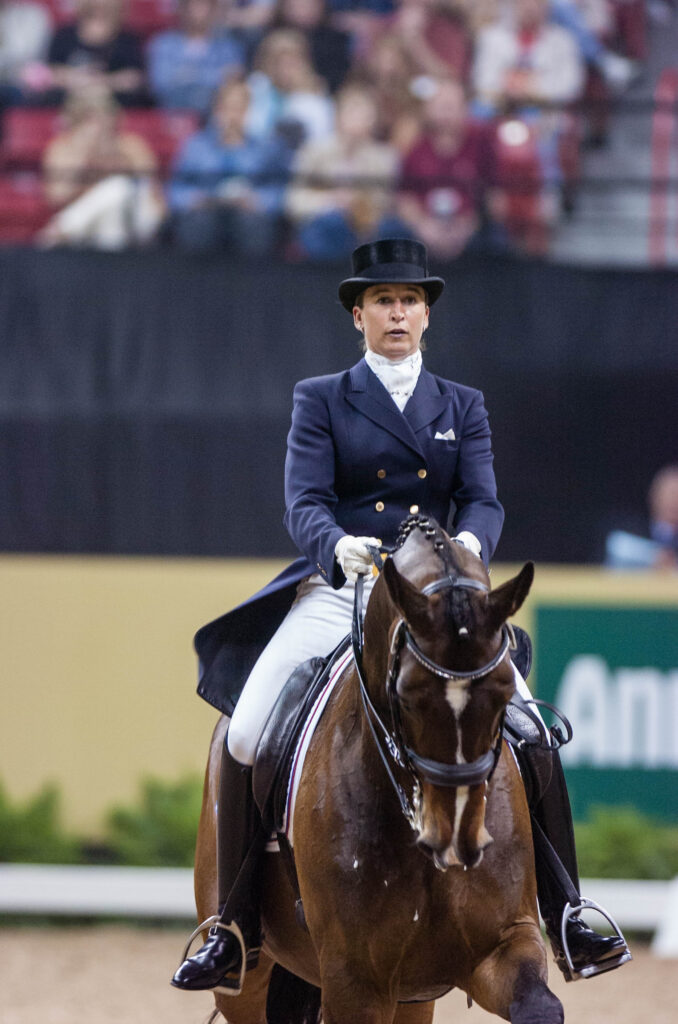
The shadbelly: Shadbellies—traditional dressage tailcoats that still remain the ultimate symbol of high-level Grand Prix competition—mirror the long military dress coats worn during formal inspections and ceremonies. Formerly made out of heavy, restrictive fabrics, modern shadbellies are cut from highly, breathable, moisture-wicking, four-way stretch technical fabrics to allow riders full range of motion in the saddle.
White breeches and gloves: These provide the crisp, uniform appearance expected of soldiers when dressed in their formal attire. Akin to shadbellies, breech and glove fabrics and materials have seen marked advances in technology over recent years. Compared to their former counterparts, new breech designs allow for better performance in the saddle, keep sweat and other stains at bay and help riders stay cool in the heat.
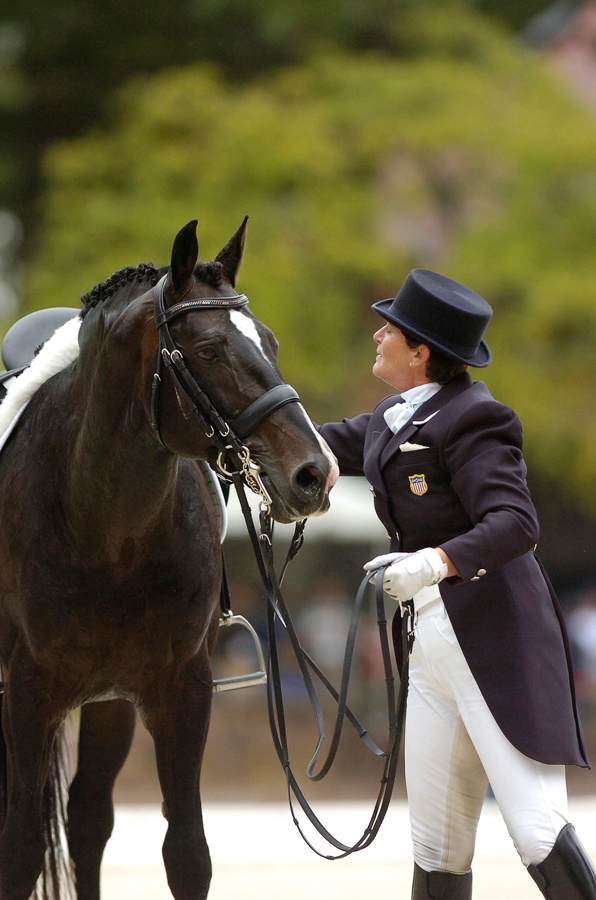
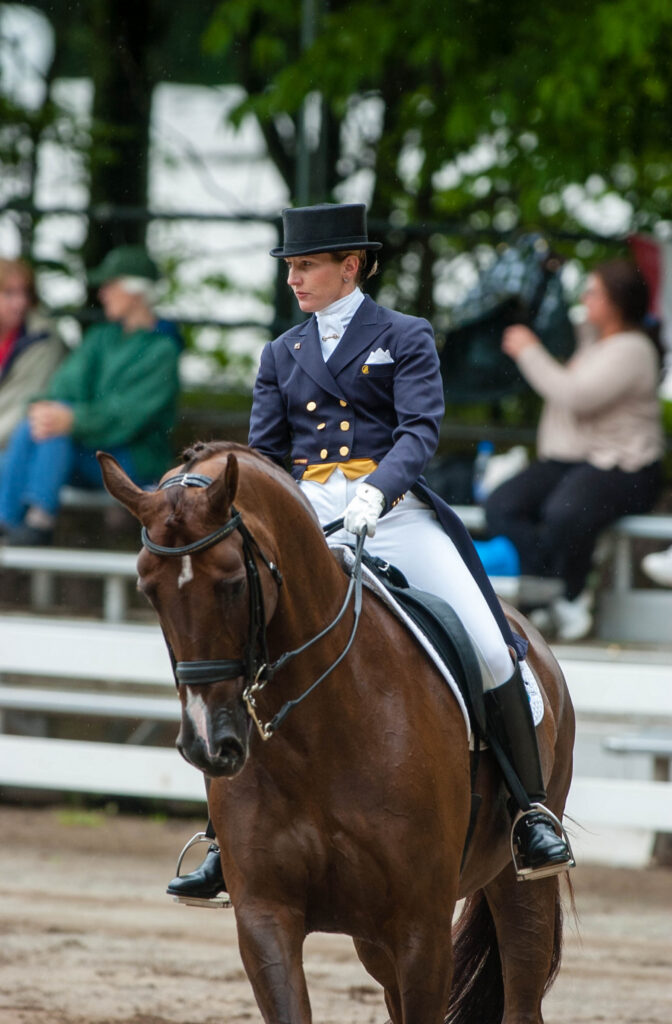
Tall black boots: Tall black boots were the standard issue for cavalry riders, offering both protection and polish. While black remains the most common boot color seen in the sport, we’ve seen some stunning dressage boots in navy, merlot and chocolate brown in recent years. (More on new dressage trends below.) Equestrian footwear technology has also vastly improved with cushioned footbeds, back zippers, enhanced treads, built-in stretch panels and extra spur stops.
Stock ties: The stock tie originated as a military neck brace for protection and evolved into a formal accessory. While traditionally white, some dressage riders opt for stock ties in colors or patterns that complement their jacket or horse’s color.
Breaking the Mold: Dressage Embraces Color and Bling
As a whole, dressage attire appears to be trending away from the more formal, traditional styles of the past and is now embracing a sportier look for the show ring. Dressage fashion icon and USDF gold medalist Mel Montagano likes to showcase her signature style by pairing traditional attire with unique accents and patterns.
“I like to get a little fancy for competition without adding so much bling that it distracts from my performance. I tend to accent simple, core pieces in traditional colors with creative details that reflect my personality,” she noted. “I have a gorgeous navy Grand Prix shadbelly with a camel-brown collar that was custom-made with leopard-print points and a matching handkerchief that I wear with white breeches. It’s classy, but it’s also very me.”
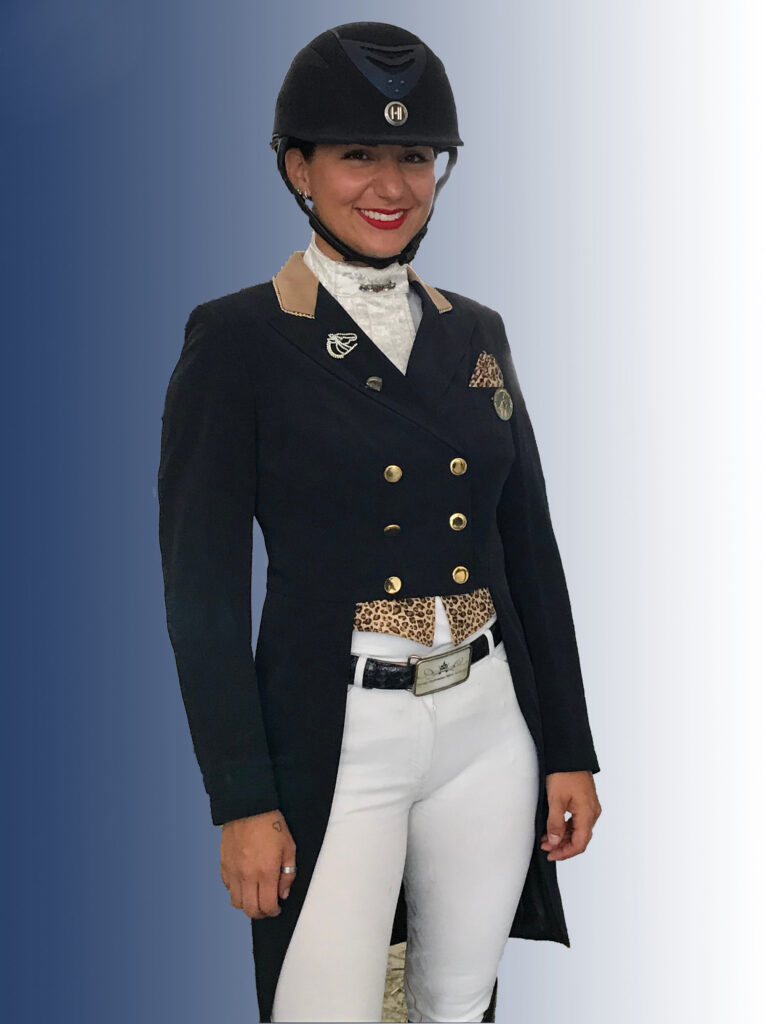
When deciding whether to go trendy or traditional for the show ring, Montagano says it’s all about self-confidence. “We’re seeing more riders wearing colorful jackets in non-traditional fabrics. I saw a freestyle rider who rocked this amazing violet satin coat,” she said. “If you choose something unconventional for the show ring, wear it with confidence and just own it!”
In addition to fun new colors and patterns, we’re also seeing bling to boot in the show ring. Sophisticated crystal accents are popping up on boots, helmets and jacket collars, cuffs, buttons and back hems, as well as gold and silver embellishments, stitching details and other creative additions that add an element of original personality.
Earlier this year, we loved seeing Great Britain’s Becky Moody, who claimed double gold podium placings at the 2026 Zen Elite FEI Dressage World Cup™ Final, clad in a stunning chocolate brown jacket with crystal accents and matching brown boots and helmet also embellished with plenty of sparkle.
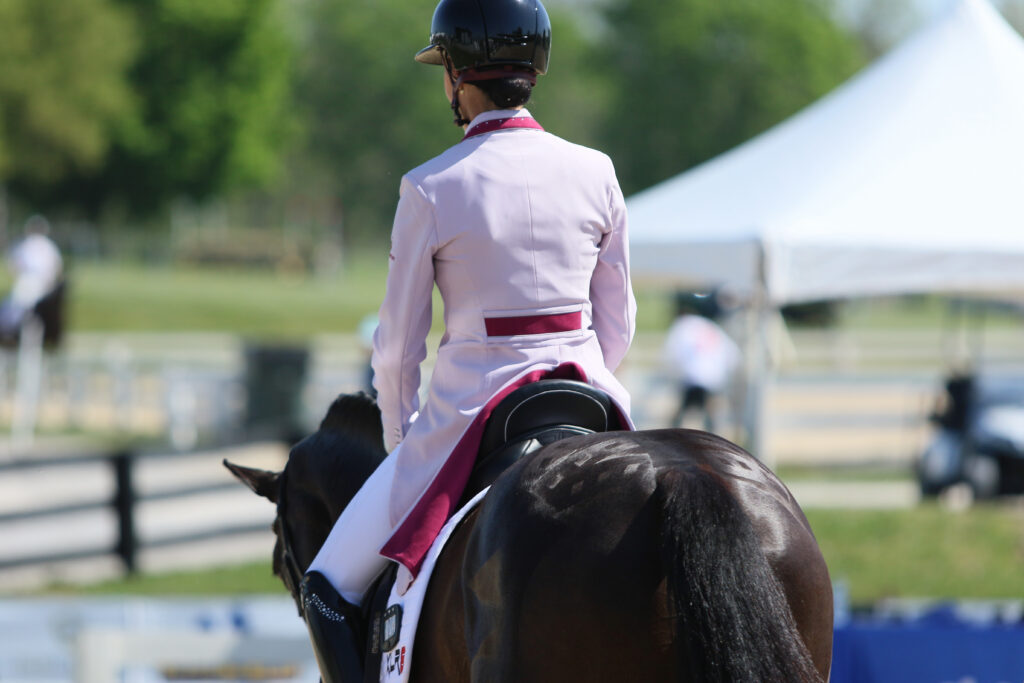
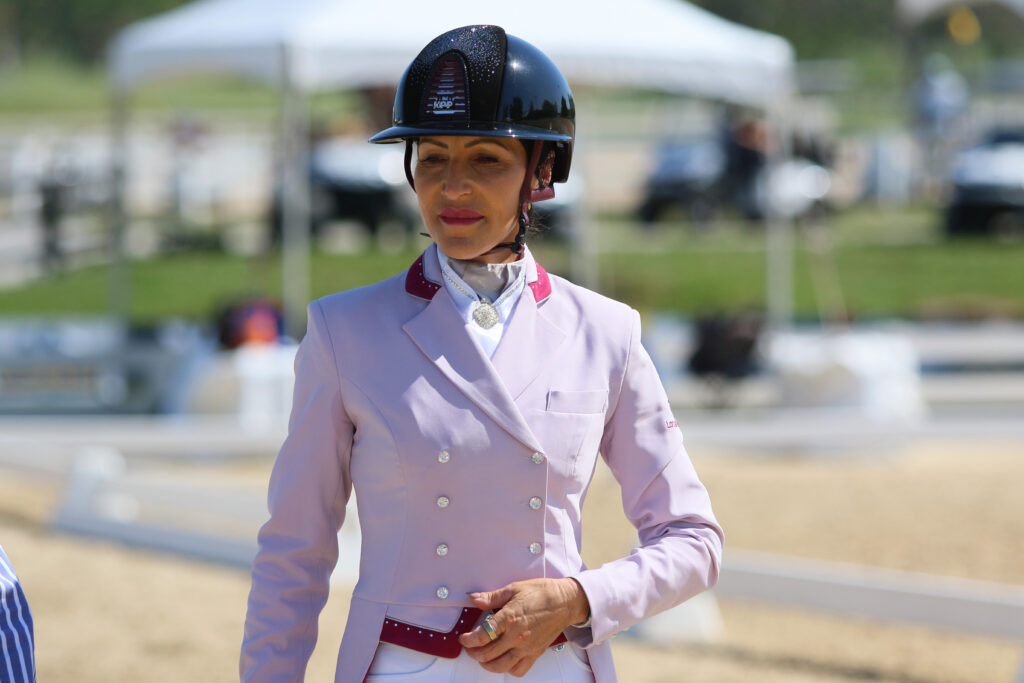
We also adored Grand Prix dressage rider Laine Ashker’s custom LotusRomeo shadbelly in pastel pink with magenta accents and crystal details. “I loved the beautiful, muted tones with contrasting accents so much, I also have the jacket in lavender, sage, baby blue and tan/blush,” Ashker laughed.
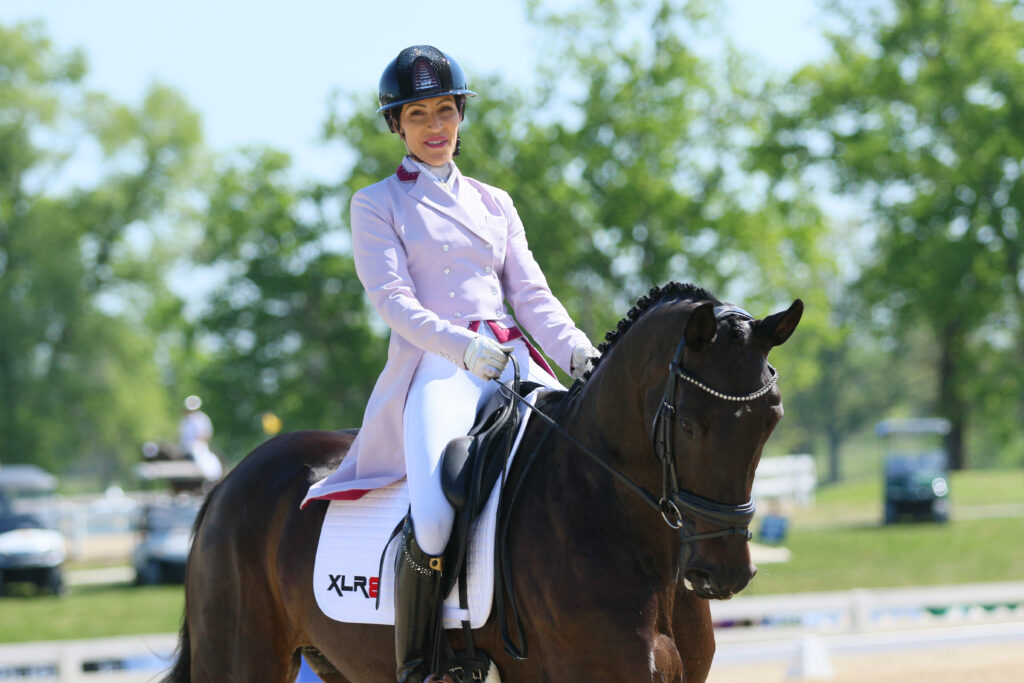
30 Years of Dressage Fashion
Whether you prefer traditional dressage attire or the more fanciful colors, designs and bling of the sport’s modern movement, we look back at 30 years of dressage fashion.
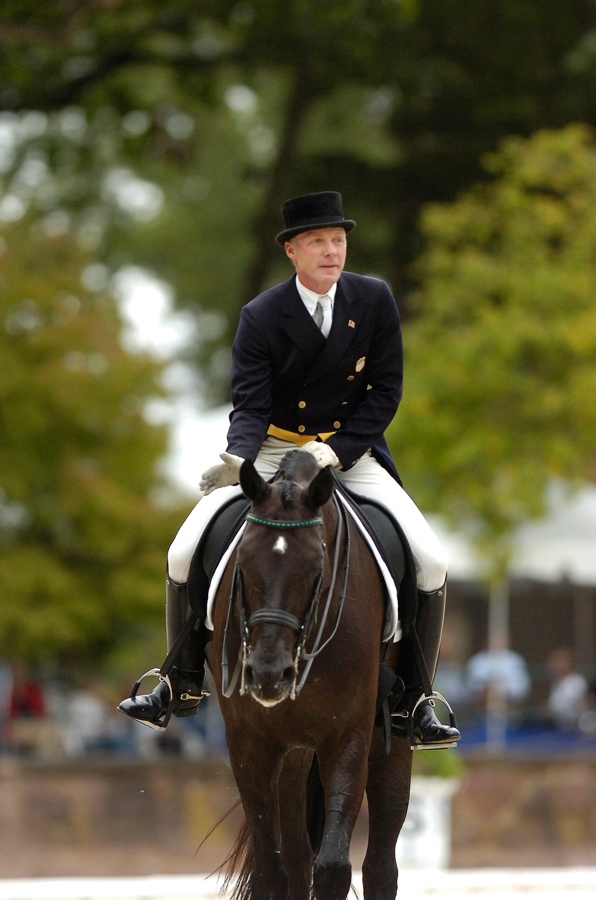
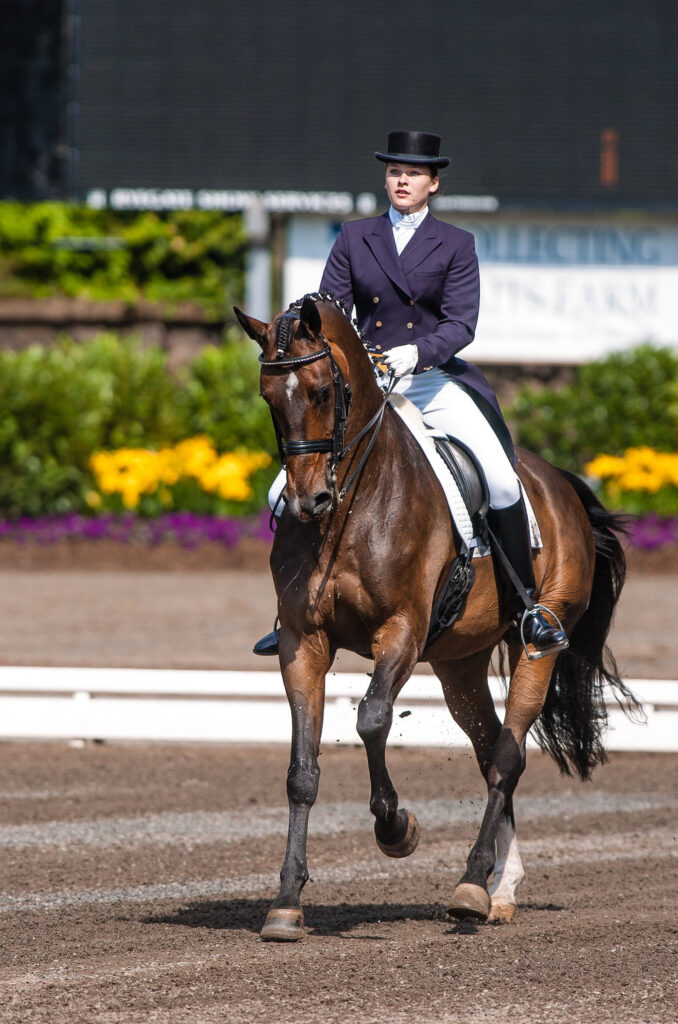
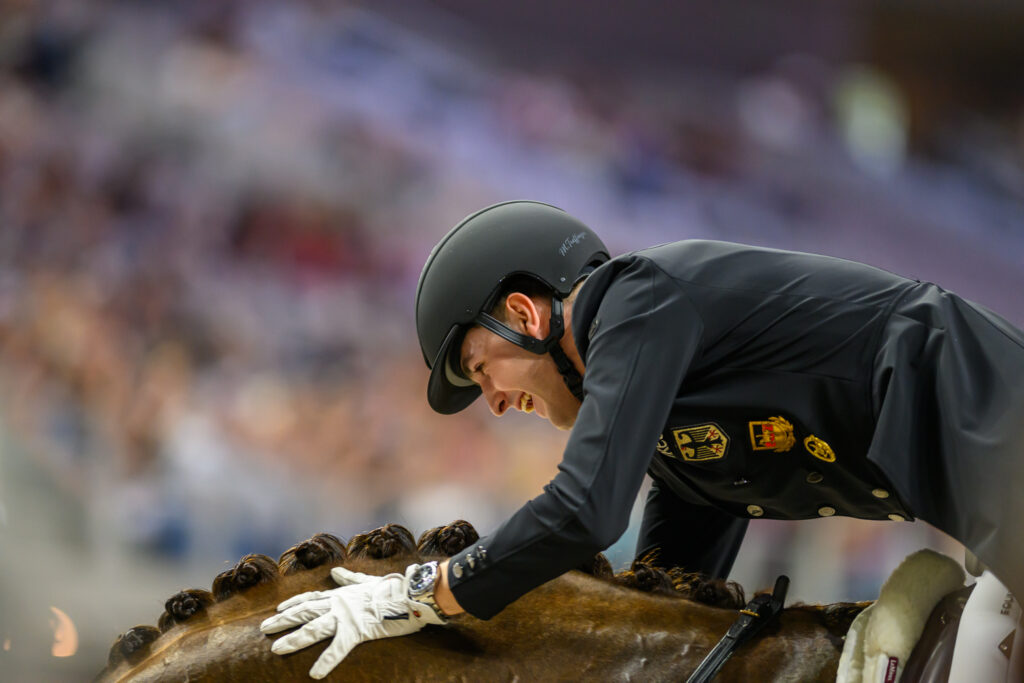
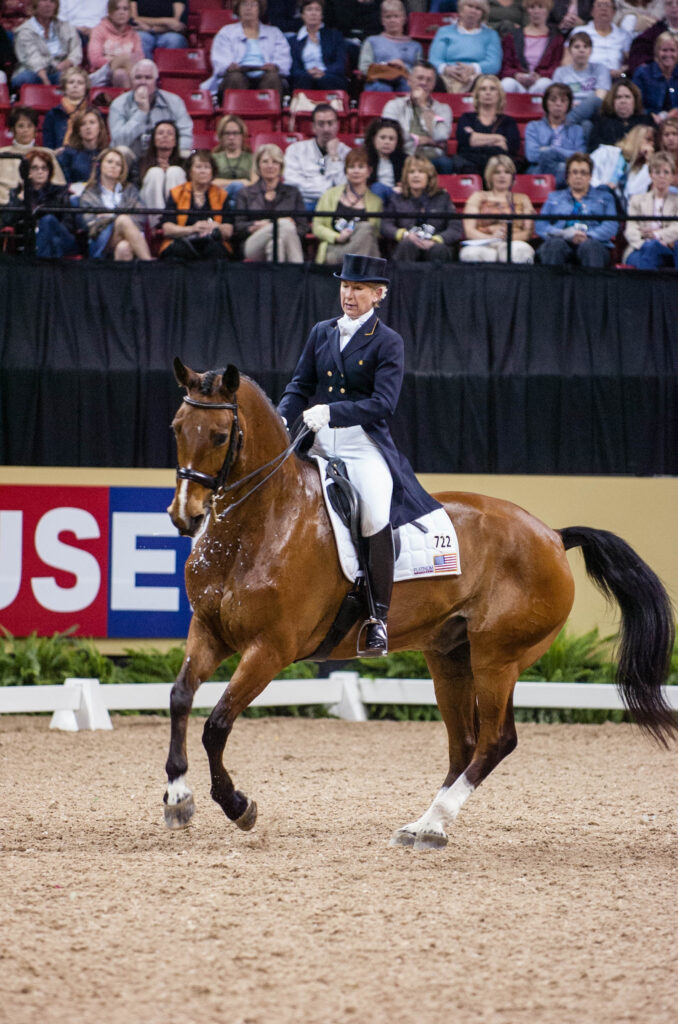
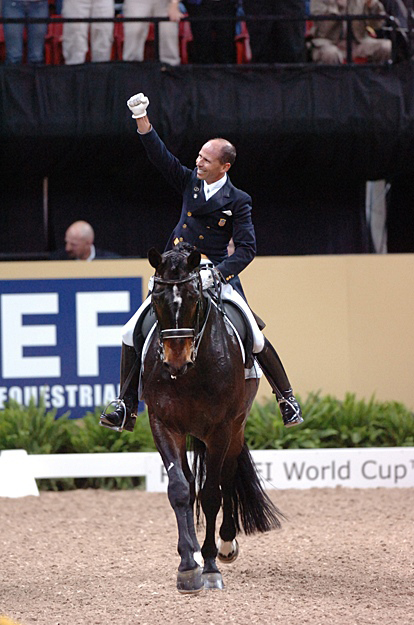
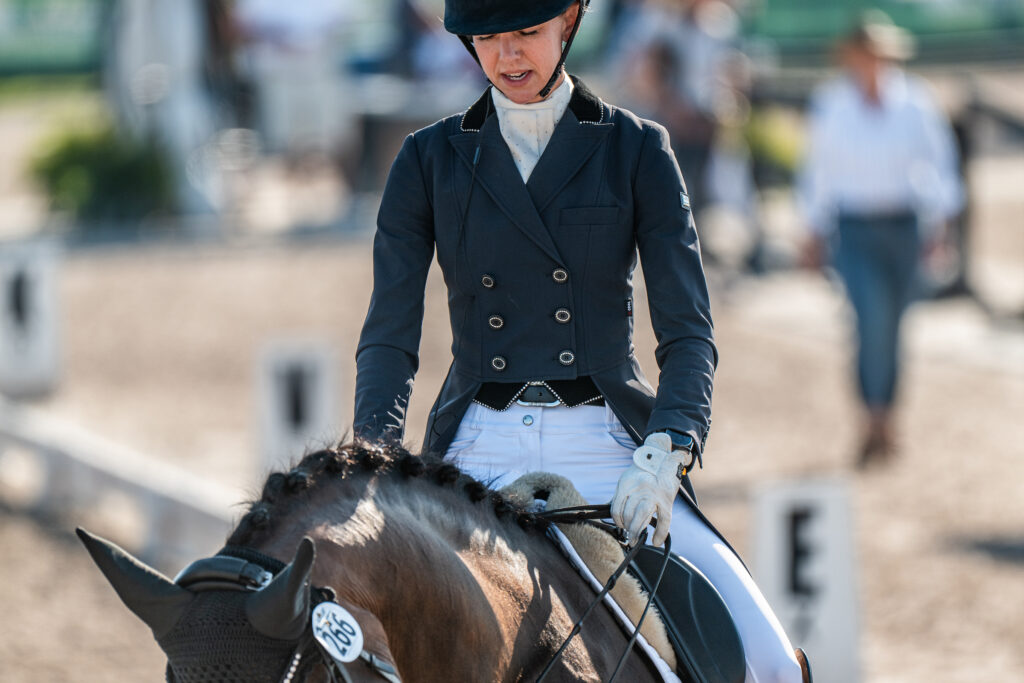
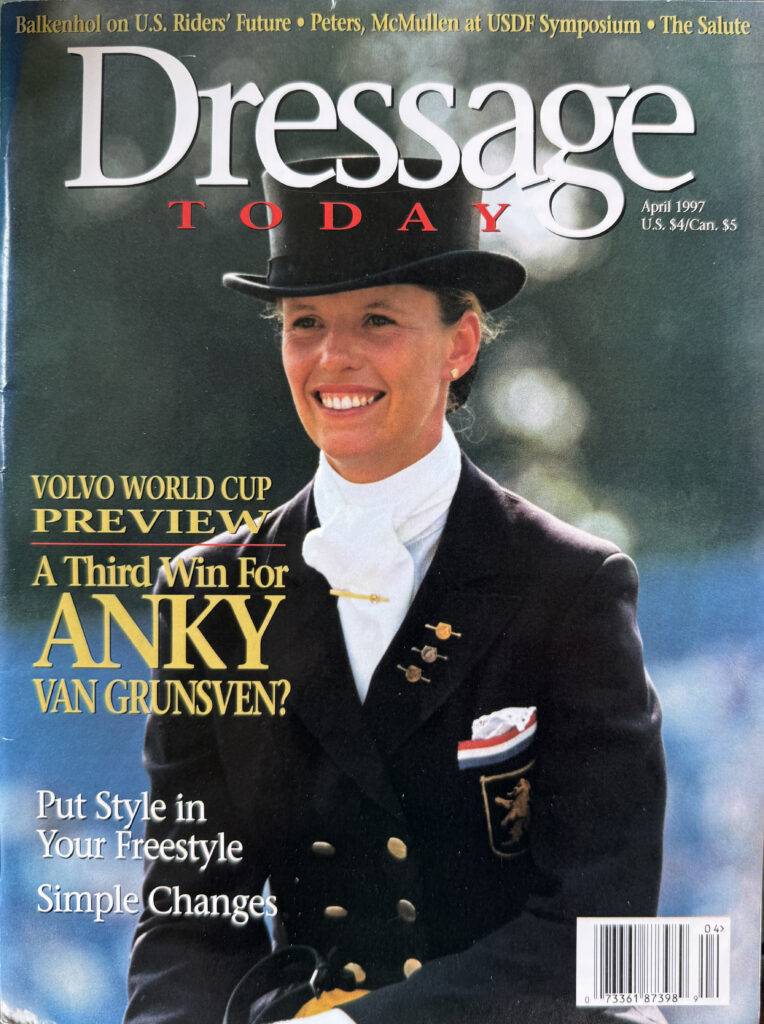
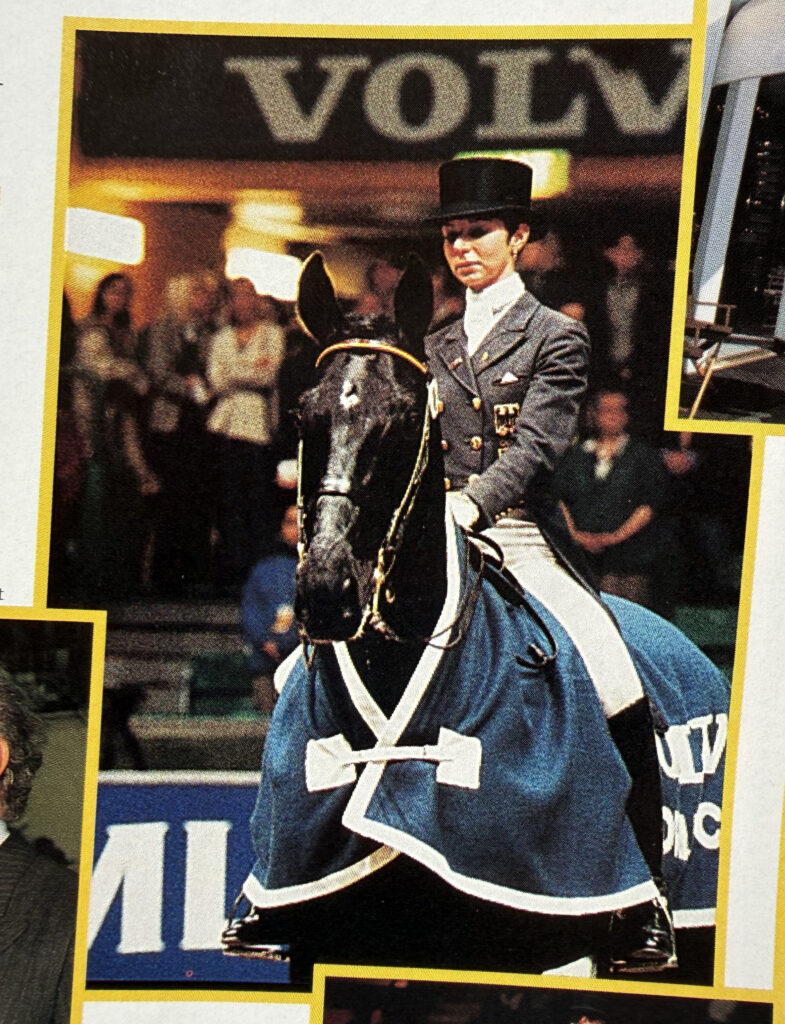
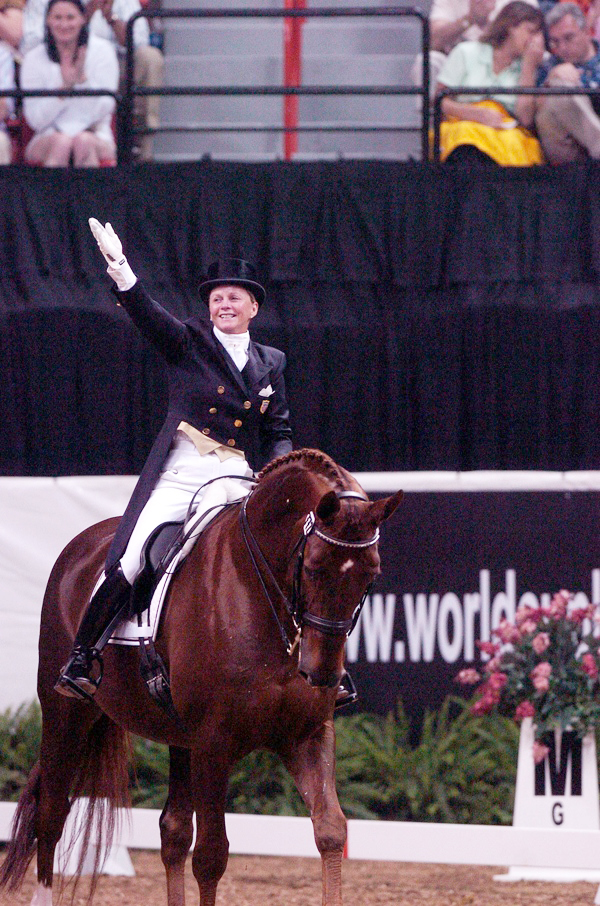
World Cup™ Final in Las Vegas. ©Amy K. Dragoo
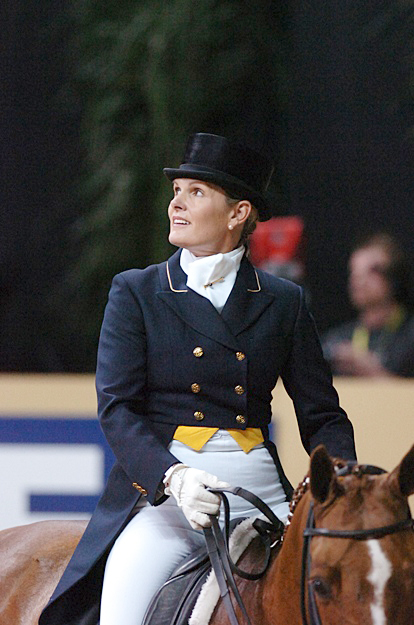
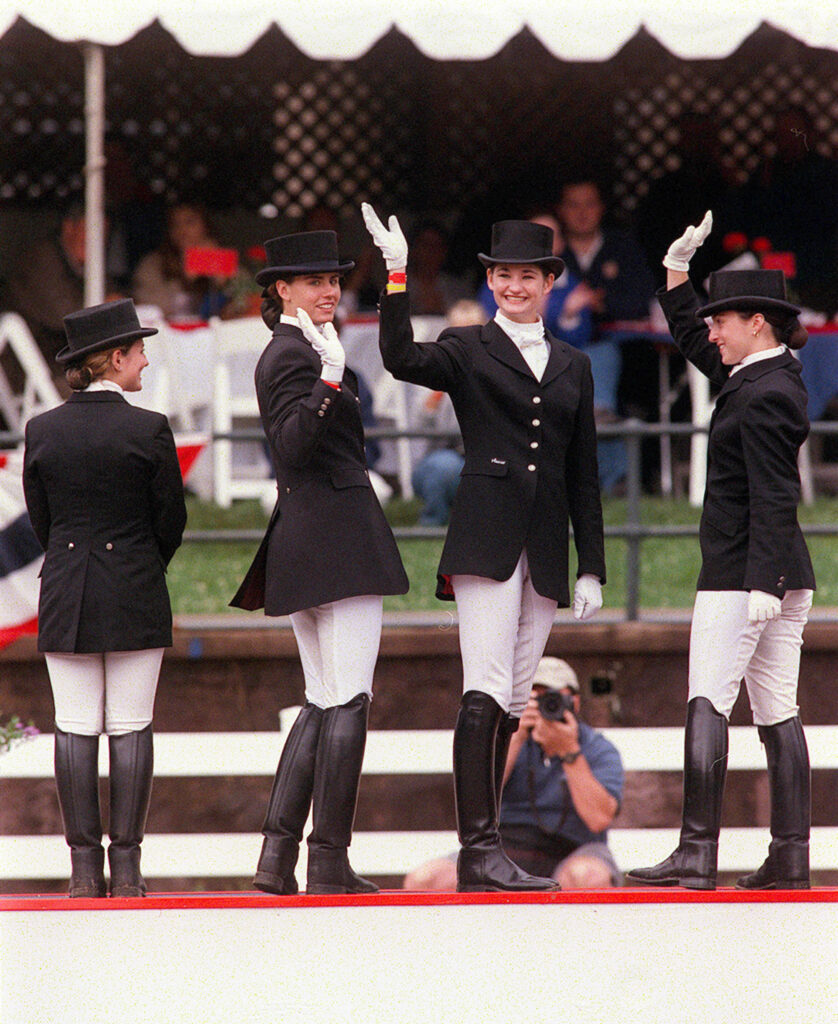
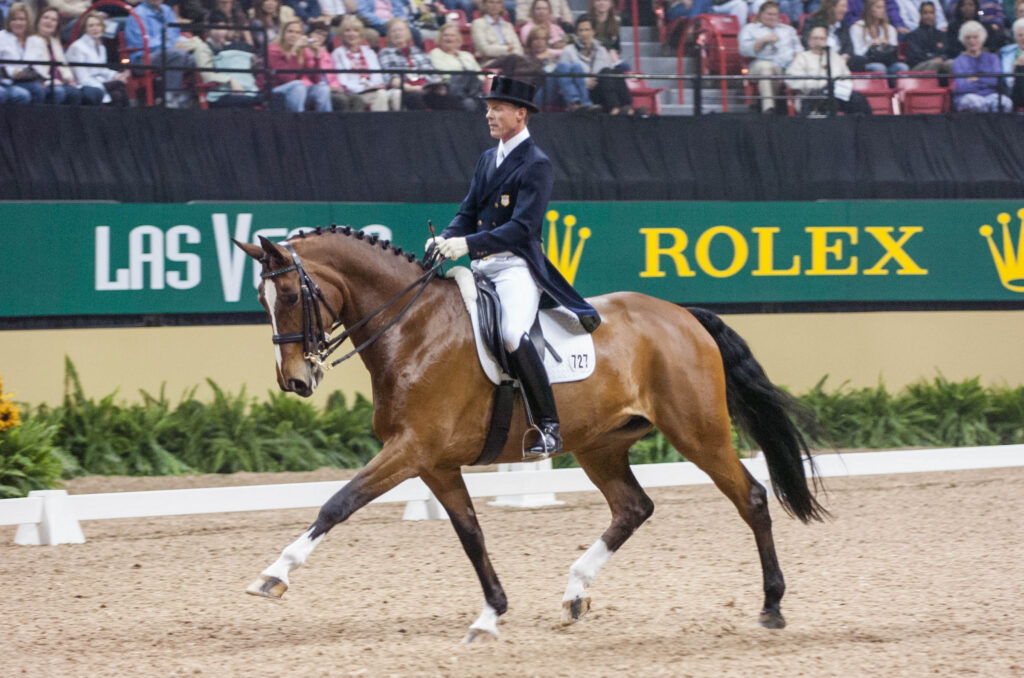
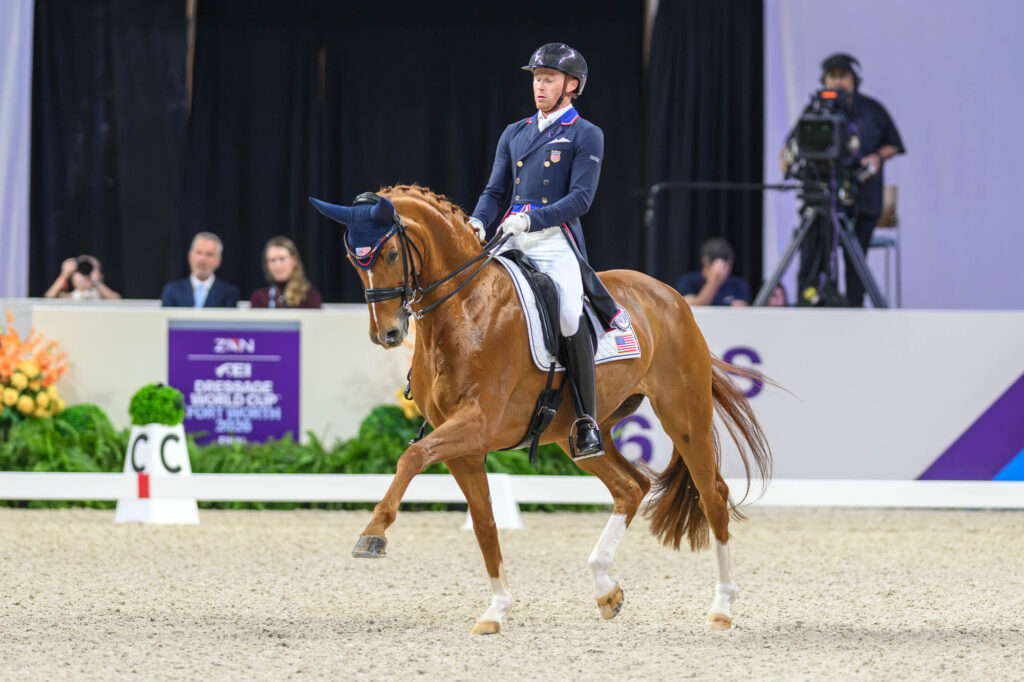
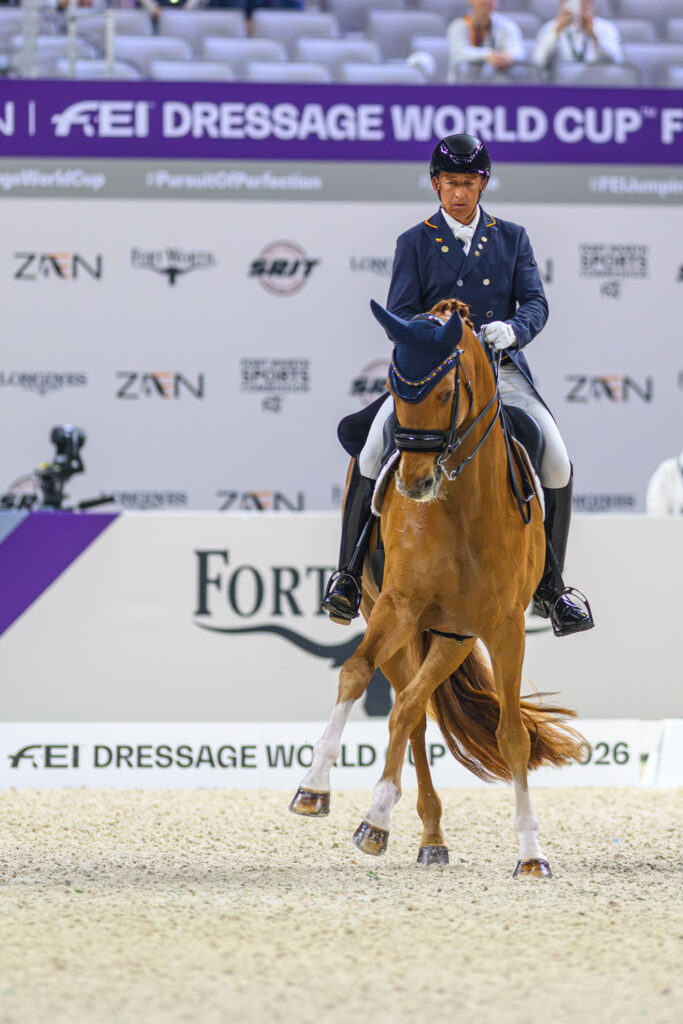
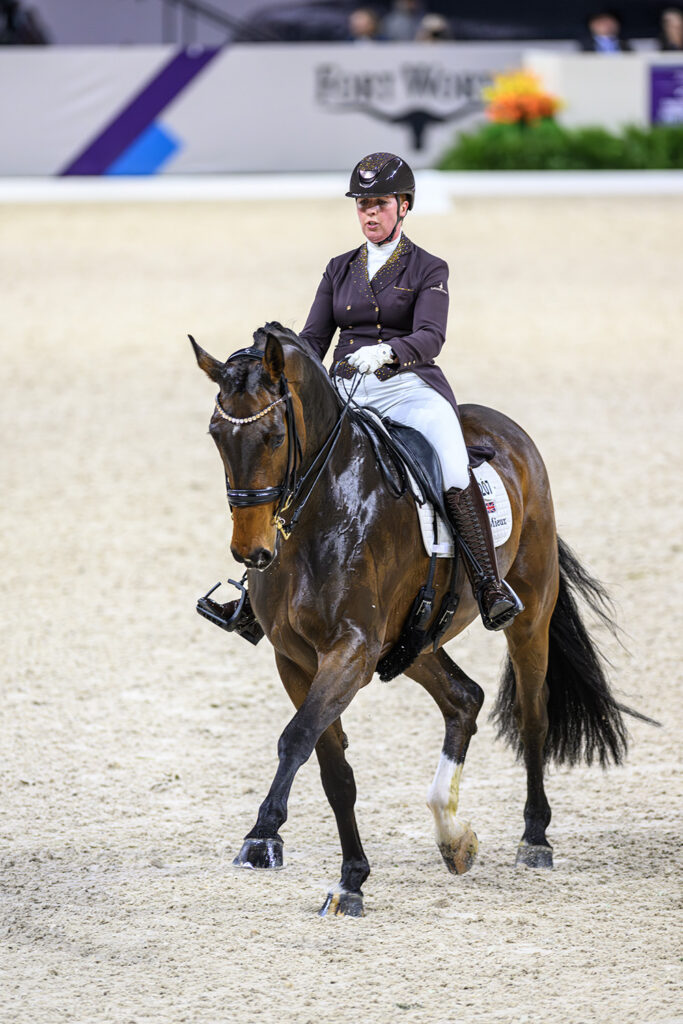
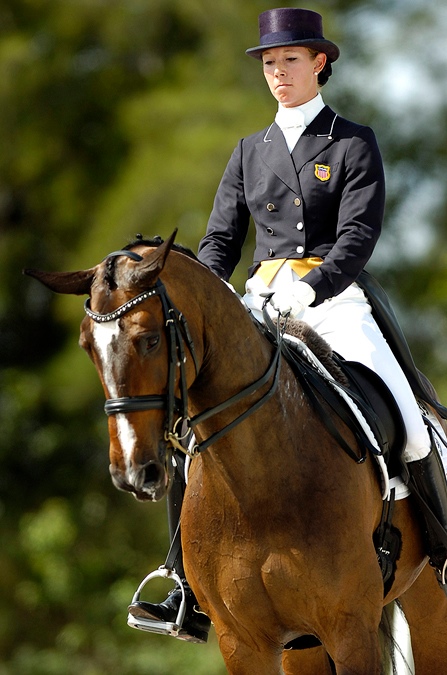
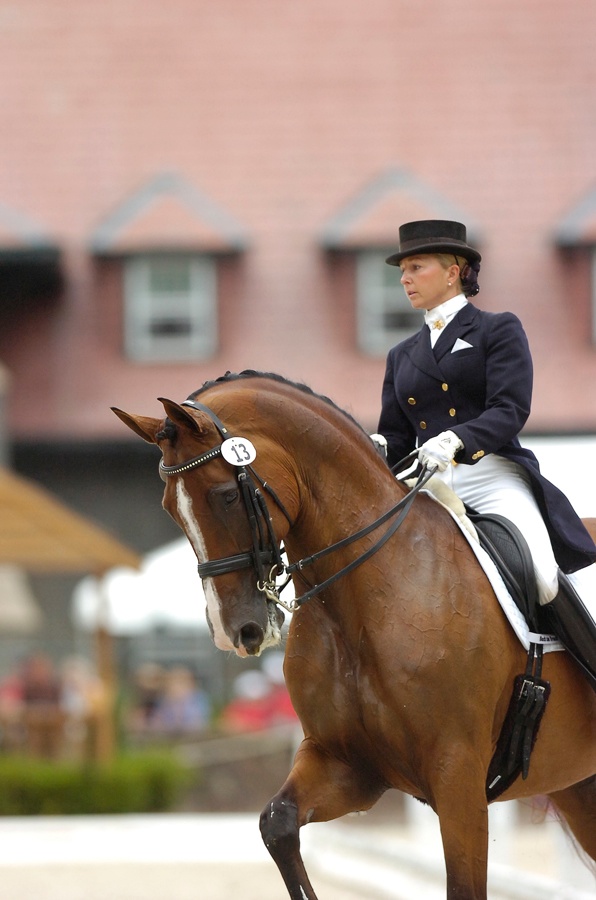
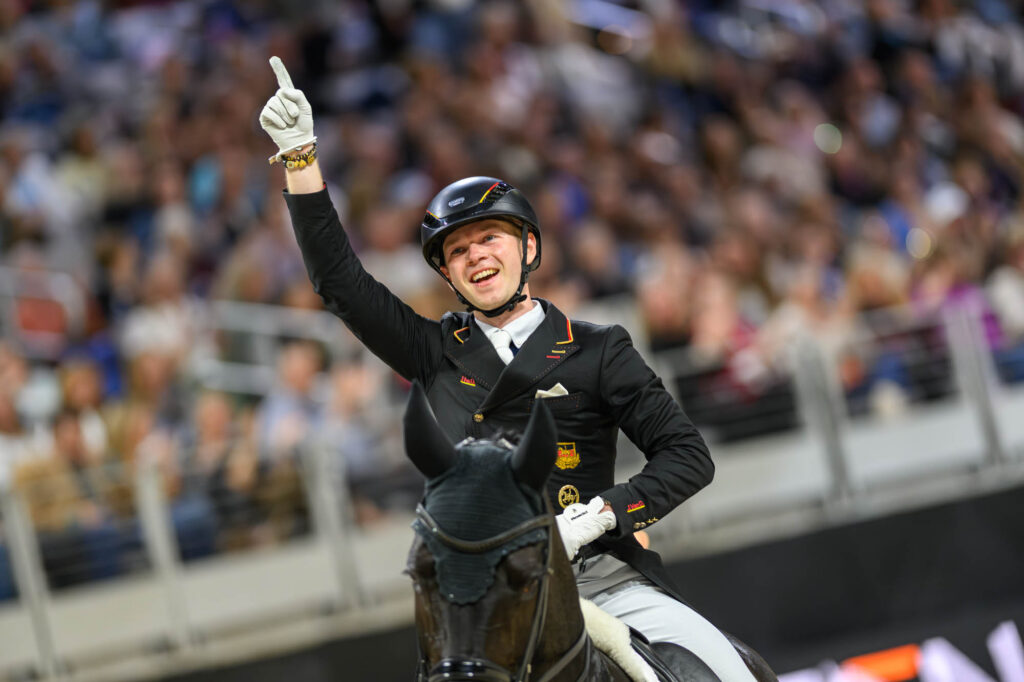
We hope you’ve enjoyed this fashion flashback and reflecting on how dressage attire has evloved over the years!
For More:
Did you miss our coverage of the 2026 Zen Elite Dressage World Cup™ Final? Click here to learn about all the special moments you might have missed!
Sign Up for Dressage Today+: Where Dressage Riders Train
Get ready to connect with Dressage Today in more ways than ever before with our completely revamped website and member experience with Dressage Today+! Our all-new platform features exclusive event coverage, thousands of on-demand training videos with top dressage riders and clinicians, VIP experiences, members-only discounts and premium tools to elevate your riding progress and horsemanship skills.
Where dressage riders train: Dressage Today+ delivers the classical principles and modern training guidance you trust—now with the flexibility to learn anytime, anywhere and with even more depth and ways to engage and enjoy. We know equestrian sports are expensive, so we’re offering our new Dressage Today+ membership for only $3.99 a month. No matter your level or income, we’re here to help you excel in your riding journey. Click here to learn more about how you can take advantage of everything Dressage Today+ has to offer!