



 Team Prac
Q: I’m an experienced rider and have competed a lot at traditional shows, but I recently learned about virtual showing. I wanted to get your take on it since you judge virtual shows often. Do you find them to be a beneficial training tool, and are there any drawbacks to showing online?
~ Heather
A: I’ve been judging virtual shows since well before the COVID-19 pandemic—probably for almost a decade now. Even though virtual showing was around before the pandemic, a lot of riders became more aware of it then, and for good reason. Equestrians, and especially dressage riders, tend to thrive on setting goals to measure their progress, and showing presents the ideal opportunity to do this.
When we couldn’t go anywhere early in the pandemic, virtual showing opened a whole new world of competition. It allowed riders to continue working toward their goals after showgrounds across the country were shuttered.
I started with Betterdressagescores.com and now judge for Dressageshowonline.com as well. I’ve also done virtual judging for USDF Group Membership Organizations and for riders in Israel when people couldn’t get out and about.
Overall, I think virtual showing can be a wonderful tool, but it doesn’t obviate the need for live shows. The two actually complement each other, and can even help you achieve your goals faster or more effectively. Here, I’ll explain the virtual horse-showing process and discuss both the benefits and the downsides to the experience.
How Virtual Showing Works
The platforms I judge for have graduates of the USDF L Education Program or above and a few also have USEF “S” judges, including Charlotte Trentelman and Ida Norris. You’re essentially getting the equivalent of going to a schooling show, meaning the person judging you has credentials. It’s not the trainer from down the street who was asked to judge at the last minute or someone who’s ridden at the Grand Prix level but doesn’t have judging credentials.
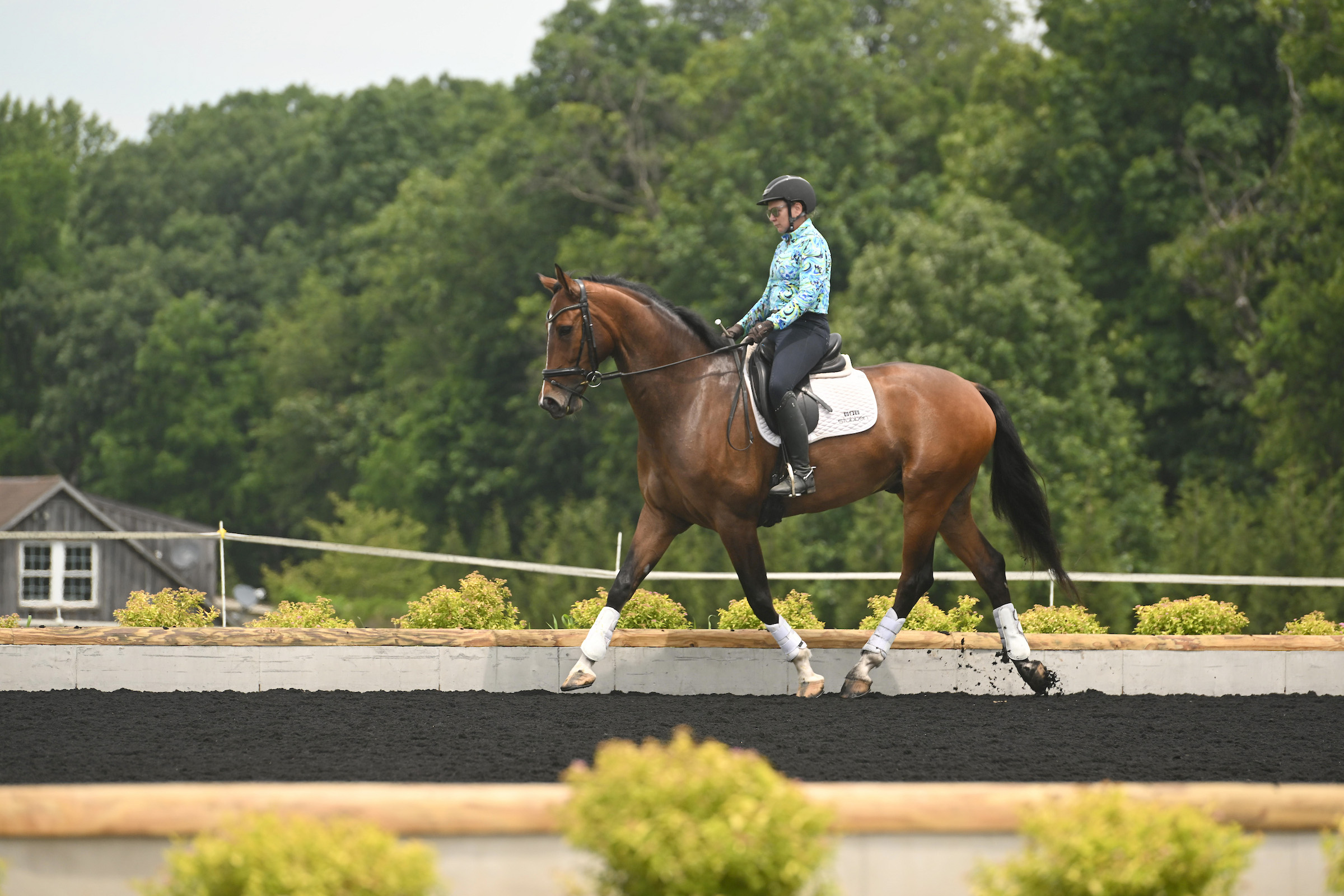
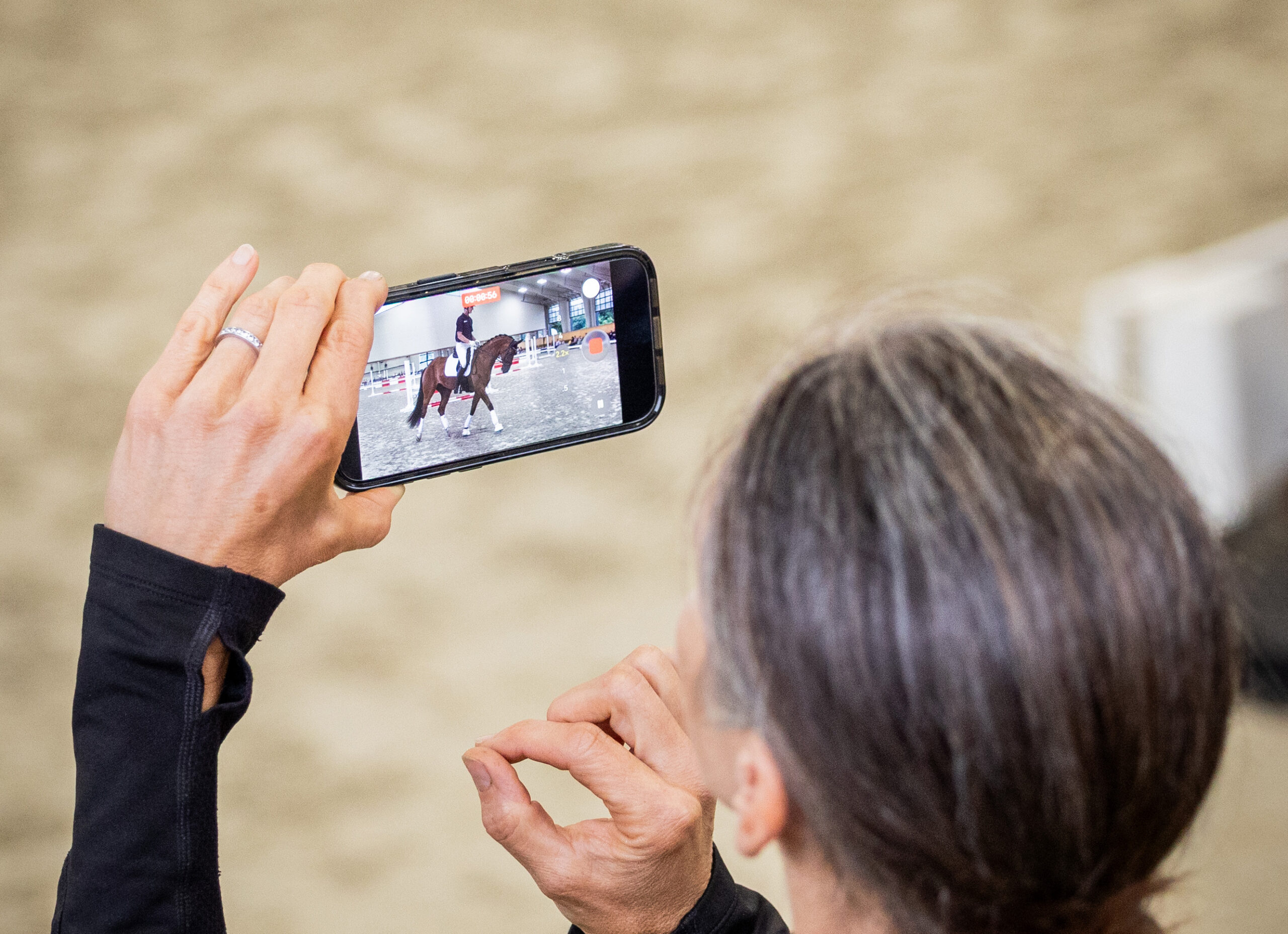
For virtual shows, there is typically an open window of time for riders to submit their videos, and there are also specific requirements. For example, it might stipulate that you must ride a certain test or that the test needs to be filmed at C and in arena with clearly marked letters. Some organizations have even developed their own tests, such as dressage seat equitation and lead-line classes.
Riders are expected to continue performing the test just like they’re at a show. For instance, if you come down the centerline, and it’s an absolute mess, you can’t just say, “Well, that was terrible. Stop videoing so I can redo it.” You have to keep riding just like you would at a live show.
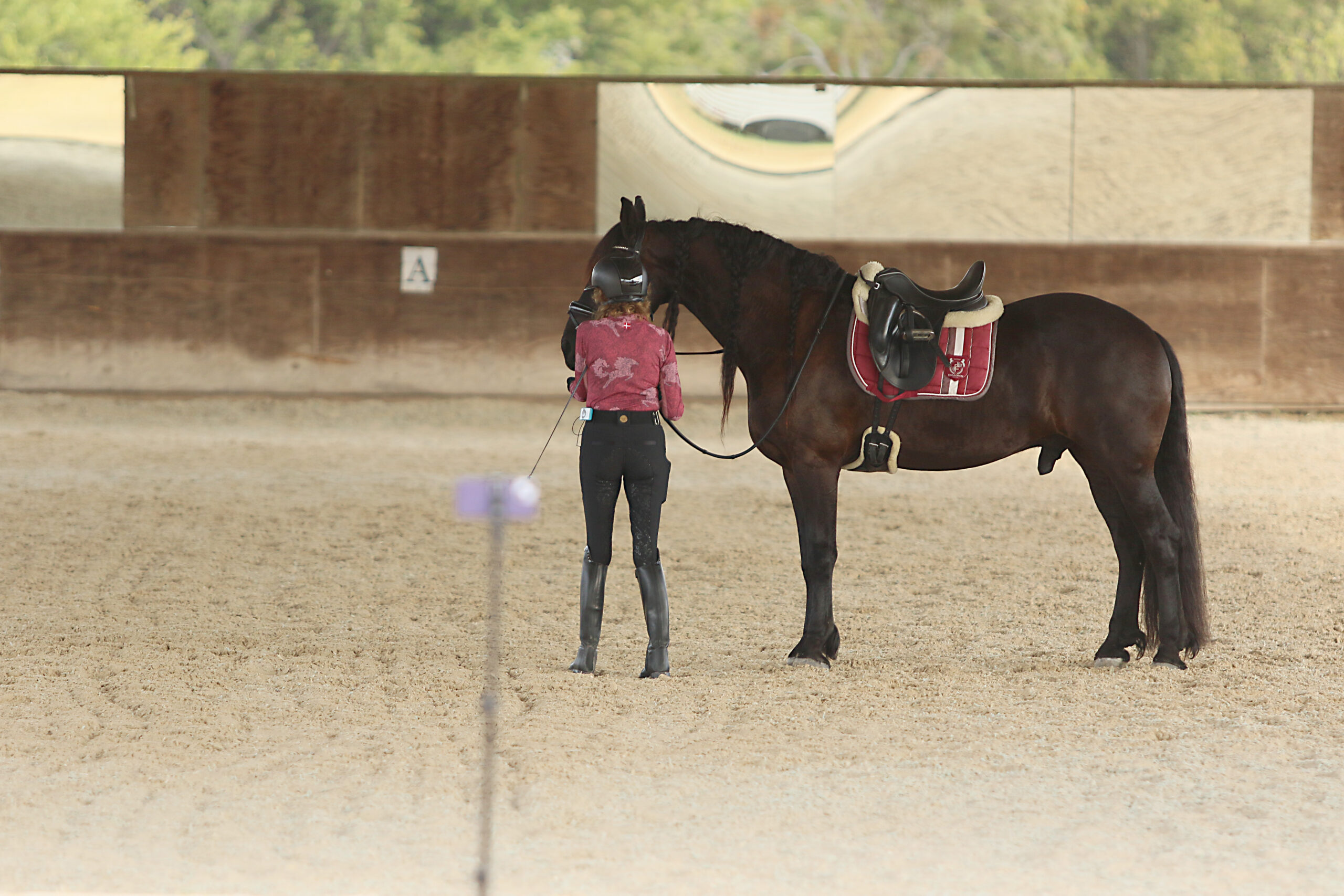
Some organizations like the Morgan Dressage Association run a series of virtual shows that are a little more formal and structured. For instance, riders must perform a USDF or USEF test in a proper dressage arena with marked letters, and they can only submit their videos during certain times. They also tend to wear show coats, braid their horses’ manes and treat it like a real show.
In Israel, they scheduled a professional videographer who went from facility to facility, and the riders had specific times to ride the test. Then, all the videos were sent to the judges at one time.
The Western Dressage Association of America also offers virtual showing, but it, too, has specific requirements. I’m not quoting the rules verbatim, but one example is an audio requirement. You have to include sound with your video to confirm no one is calling the test or coaching you. You’re also required to have the videographer shoot both sides of the horse and do a virtual tack check at the end of the test.
Many virtual platforms allow you to earn points and even have their own championships. Some host shows every month where riders compete against one another from all over the country and even the world in some cases. Other platforms create small, private shows that allow everyone participating to watch the other riders’ tests and see the score sheets.
USDF and USEF, however, don’t entirely support virtual showing because there isn’t a Technical Delegate on hand, meaning there’s no way to ensure things are done 100% correctly. Often, you can’t be sure the arena is 20-by-60 meters or 20-by-40 meters, or that the letters are all in the correct places.
With modern video editing, you also can’t be certain that someone didn’t cut and paste their video or have outside help; maybe someone was talking them through the test, and you can’t see that in the video. And you can’t do an in-person tack and horse check.
Benefits of Virtual Showing
Traditional showing is expensive; it can be tough and tiring on the horses and riders, and it often requires significant travel time. A lot of riders can only afford and make the time commitment to do this a couple times a year.
Virtual showing, however, can be a much less expensive option for riders who want to continue competing in some capacity. It doesn’t require membership dues; you don’t have to pay a drug-testing fee; you don’t have to pay a grounds or number fee; and you don’t have to pay for stabling. You pay for the test in exchange for the chance to ride for a real judge and then use their feedback to improve.
Additionally, virtual showing doesn’t require travel time. It gives riders living in rural areas or regions of the country far from major show hubs the chance to compete at shows that would have taken them hours or days to travel to.
In my area of Maryland, we have so many shows that I could go to three schooling shows and one recognized show every weekend if I wanted to. But for parts of the country that are more spread out, people don’t have those opportunities, so online showing can be a great avenue for them.
Another benefit of virtual showing is that you tend to get more feedback from the judges. I make more comments when I’m judging virtually because I’m able to stop the video and write all my notes out or dictate and transcribe them later. When I’m judging live, my scribe simply doesn’t have the time to write all those details down.
At Betterdressagescores.com, you can pay an extra fee to get additional feedback on your test. For example, instead of getting the more basic comments of “fairly straight entry, reluctant out of the halt,” you might get, “rider was leaning to the right, which caused the horse to drift right into the halt, and then the horse fell out left after the halt.” So, the additional feedback provides you with a little more of a lesson on things you can work on.
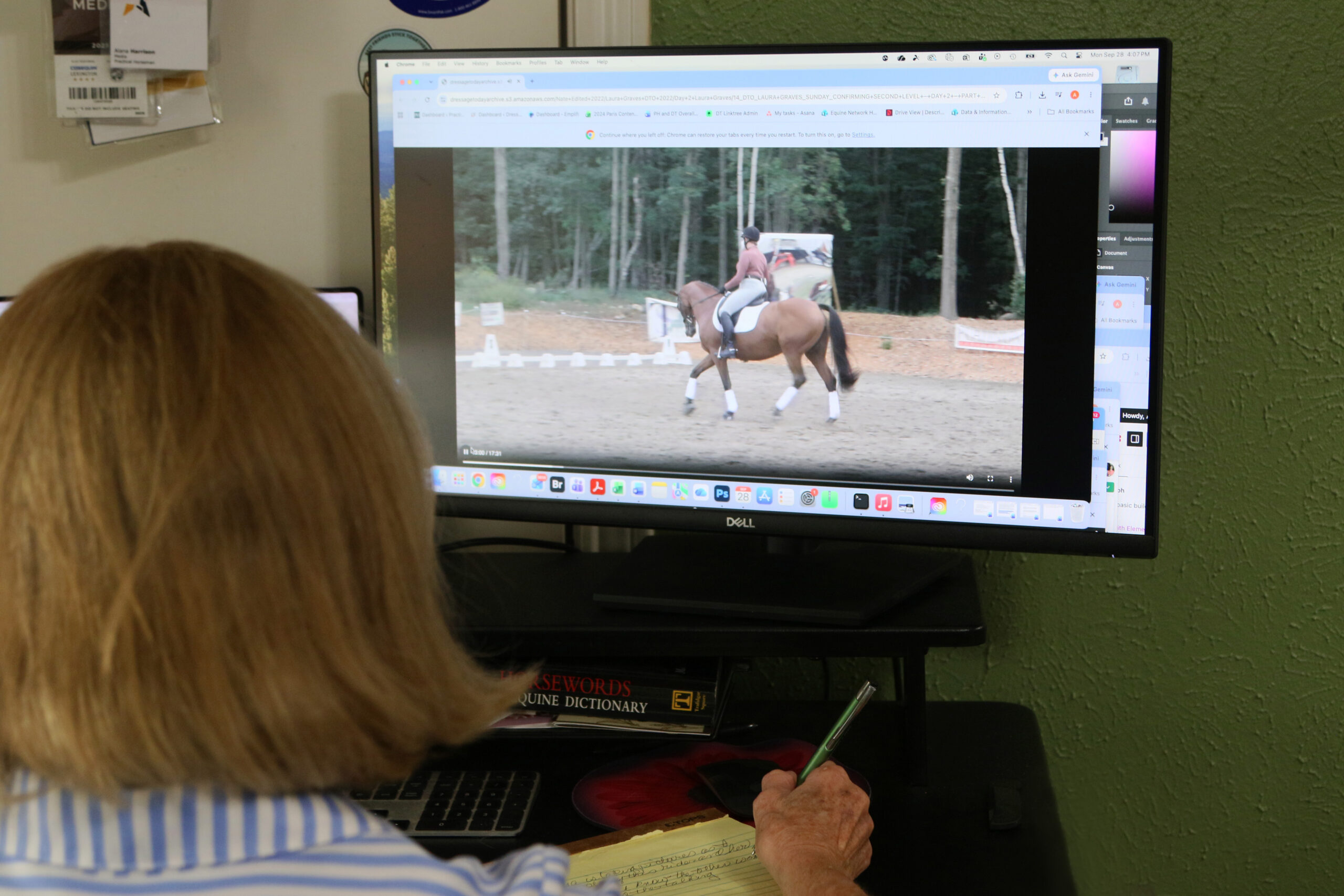
This can be extremely valuable for students as well as their trainers. They can watch the video together and review the test and the judge’s feedback. There are a lot of dressage riders who don’t understand why they receive the scores they get. When you’re watching your video, especially when filmed at C, you can start to better understand what the judge sees.
Lastly, a lot of dressage riders appreciate that virtual showing allows them to compete in the privacy of their own barns. It gives you the opportunity to go out there and take a chance without the fear of being critiqued. It’s between you, your horse and the judge.
Downsides to Online Showing
In my opinion, virtual showing isn’t perfect because it’s two-dimensional. After watching hundreds of tests online, I’ve noticed that video tends to slow things down a bit. So, if your horse is a little behind your leg in real life, it’s likely going to look more exaggerated on video. You also can’t move around or change your angle to better see what a rider’s corner looks like, for example.
There are also sometimes issues with the video quality that can make judging online challenging. The videography does impact your test as well as my ability to judge it. Some people zoom in too much or too often. This can sometimes help a judge see the horse’s movement better, but it prevents us from being able to tell where they are in the arena.
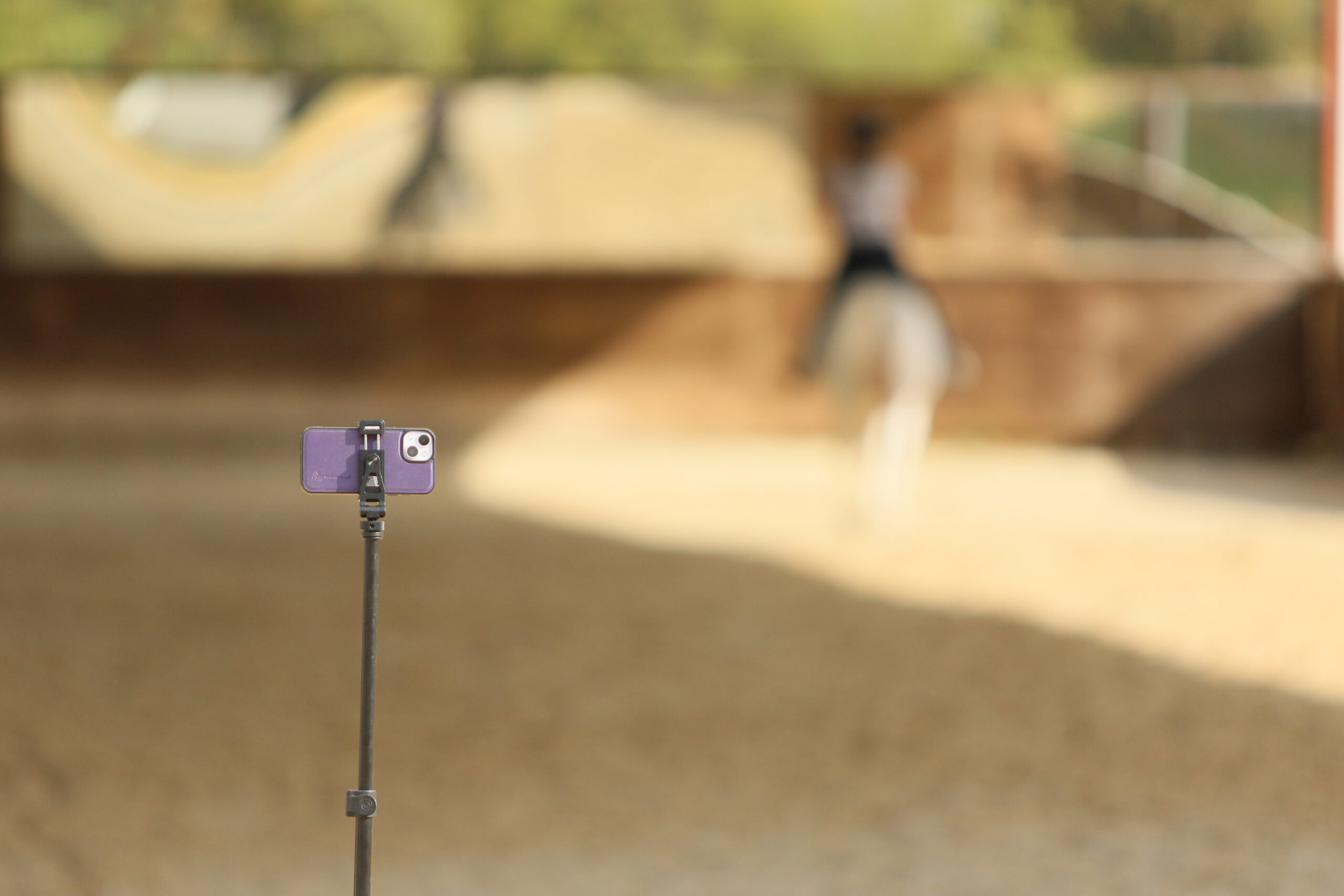
Other people never zoom in. If the rider is in a 20-by-60-meter arena performing a part of the test down at A and the horse is black and the rider’s clothes are dark, I’m going to have a hard time seeing what’s going on.
I’ve also had riders submit videos during wind, rain or fog—all of which can make it harder to see clearly. On some occasions, I’ve had to send videos back to show managers because I simply can’t see the horse and rider clearly enough to properly evaluate them. In other cases, if there was a particular movement that I felt was too difficult to adequately judge, I make a comment about it.
Takeaway
Virtual showing can serve as a great steppingstone to live showing. For example, you might use it to see if you’re ready to move up to the next level; this can make you feel more confident before doing it live.
But it’s important to keep in mind that when you’re riding a test at home, your horse is likely going to be happier and more relaxed. When you go to a show at a new venue with other horses and a more exciting atmosphere, it can be a whole different ballgame. So, if giving your horse that experience matters to you as a rider, trainer or competitor, then you have to leave home eventually.
On the other hand, if you’re more interested in getting feedback and information on your training and learning how to set new, incremental goals, virtual showing is a great option. You can get out of it what you want to!
Ask the L
Do you have an Ask the L question for Aviva? If so, you can email her at horsepenhillfarm@aol.com.
For More:
- Read more Ask the L’s with Aviva Nebesky here.
- Listen to the Dressage Today Podcast, hosted by Aviva and Stephany Fish Crossman, here.
About Aviva Nebesky
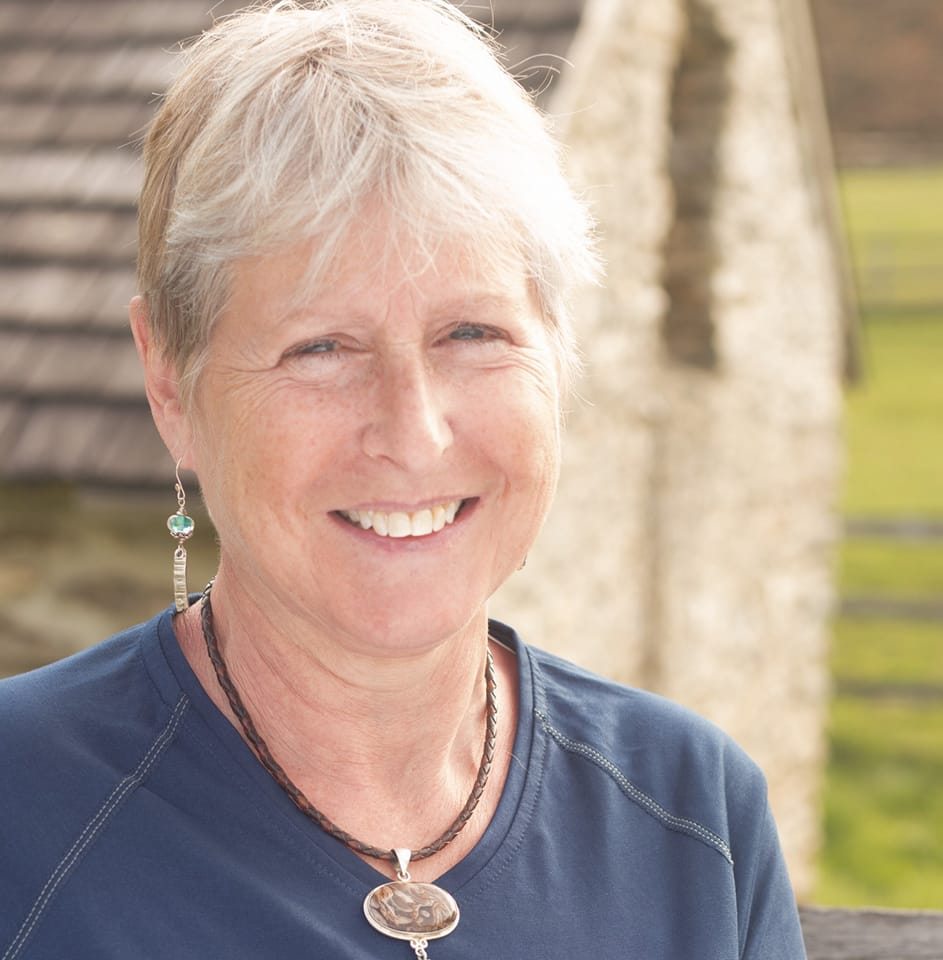
Aviva Nebesky started riding in her 30s, but horses rapidly took over her life and she went on to graduate with distinction from the USDF “L” Program. She actively trains and competes in dressage while maintaining a busy teaching and judging schedule throughout the mid-Atlantic. She has her USDF Bronze Medal and the Fourth Level scores towards her Silver and has competed internationally representing the USA at the Maccabi Games in Israel in 2022.
Aviva regularly works with eventers, working equitation riders, Western Dressage riders and traditional dressage riders and also cohosts the Dressage Today Podcast with Stephany Fish Crossman. With a master’s degree in social services and Social Research and decades of work in the field of physical rehab, Aviva specializes in working with adult amateurs with fear issues.