




 Team Prac
Q: What’s the best way to clean and polish bits? Does it vary depending on what kind of metal the bit is made from and does using a sponge and soap make the bit taste bad to my horse?
~ Carrie B., New Mexico
A: This is a terrific question. Cleaning your horse’s bit well after every ride prevents buildup of dried spit and food particles that can become uncomfortable for his mouth and lips. However, many metal cleaners and polishes contain toxic chemicals that can irritate and even injure his mouth and skin—even the sides of his face where the rings, cheeks or shanks of the bit occasionally touch.
I’ve seen horses develop painful blisters from these products, which not only require medical treatment but also create serious training problems, such as an aversion to being bridled and resistance to rein contact.
3 Easy Steps to a Clean, Shiny Bit
My rule of thumb: If I wouldn’t eat it, cook with it or brush my teeth with it, I won’t use it on my horse’s bit. I use these three simple, yet effective cleaning and polishing methods, which work for all types of metal.
1. Start with a daily cleaning routine. After every ride, swish the bit around in a small bucket of clean water mixed with a few drops of vinegar or pinches of baking soda—both have natural antibacterial properties. Then, wipe off the bit with a clean cloth.
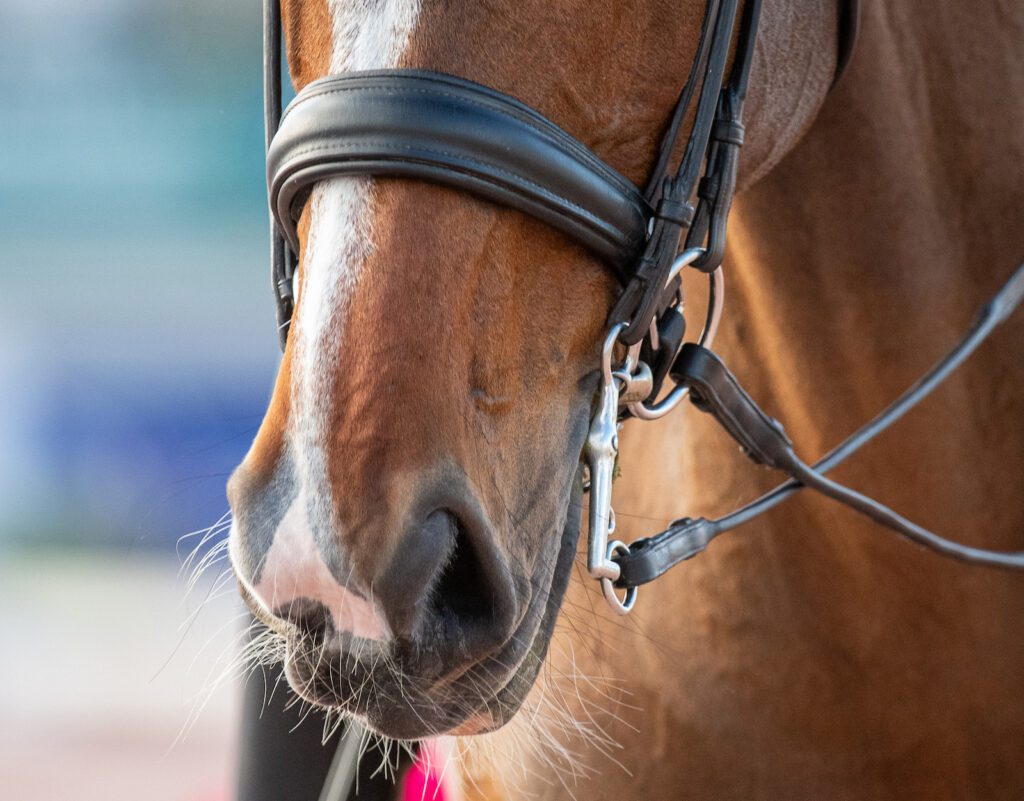
2. Every few weeks or when you want to bring out more shine for a clinic or show, remove the bit from your bridle and clean it with a toothbrush and toothpaste. I like to use a toddler-size brush because it can get into the nooks and crannies and fluoride-free children’s toothpaste, which is nonabrasive. If your bit has any small gaps between parts, such as the joints of a loose-ring snaffle, run a pipe-cleaner through the gaps to clear them of any debris.
3. Next, soak the bit in very hot water for five to 10 minutes. Dry it with a soft terrycloth towel (children’s washcloths are the best, and they’re relatively inexpensive). Then, rub it briskly with a microfiber cloth (available at most stores that sell household cleaning products) to give it extra dazzle.
Sweeten the Deal: Make Biting a Positive Experience
Following the above steps routinely will keep the bit as comfortable as possible in your horse’s mouth. But if you want to take it a step further and make the bit even more appealing to him, add a little flavor. Rub an apple slice on the bit before you bridle him or even offer a small slice to him by holding it directly underneath the bit in your hand when you ask him to take it into his mouth. You can also spray the bit with an all-natural flavored bit spray, or make your own out of diluted apple or carrot juice.
There are a variety of other safe, all-natural products on the market that encourage horses to accept the bit. For green horses just learning about the bit or older horses who may have had bad experiences that led to bit-related training problems, I like to use dissolvable, flavored “wraps,” which are similar to thinly sliced fruit roll-ups. Wind the wrap around the bit like a ribbon before bridling. This will reward your horse for taking the bit quietly when you tack up and will make the ride a happier experience altogether for him. After your ride, rinse off the wrap residue by simply dunking the bit in a bucket of clean water.

While we’re on the subject, always be absolutely certain that your horse’s bit fits his mouth correctly. Ask a professional for help if you’re not sure how to judge a correct fit. Your horse will thank you for everything you do to make his bit more comfortable and palatable!
About Michelle Tate-Fuller
Michelle Tate-Fuller grew up in England where she earned her first riding lessons at age 4 by cleaning a boxful of moldy tack for her father, a member of the British Olympic modern pentathlon team and a certified British Horse Society Instructor. She trained with BHS before her family moved to the United States in 1994. She then went on to be a working student at the Stanford Equestrian Center and worked for several trainers in California. Michelle found a niche for herself as a consultant for new horse owners, teaching them basic care and grooming essentials. “I try to help them stay in the sport and not be scared off by the challenges of horse care,” she says. Michelle is now based in the Dallas/Fort Worth, Texas, area with her two children.
This article first appeared in the June 2012 issue of Practical Horseman.