
What Is Osteoarthritis?
Osteoarthritis (OA) involves inflammation of joint tissues. OA is typically a chronic, progressive disease which involves steady deterioration and thinning of articular cartilage. Traumatic joint injuries occur suddenly and often will lead to OA over time. OA—also known as degenerative joint disease—is the cause of approximately 60% of equine lameness. OA commonly occurs in joints of the lower limbs, however, there is a growing awareness of OA in horse’s neck and back. Affected horses can have poor performance, shortened competitive careers and, if left untreated, potential quality-of-life issues.
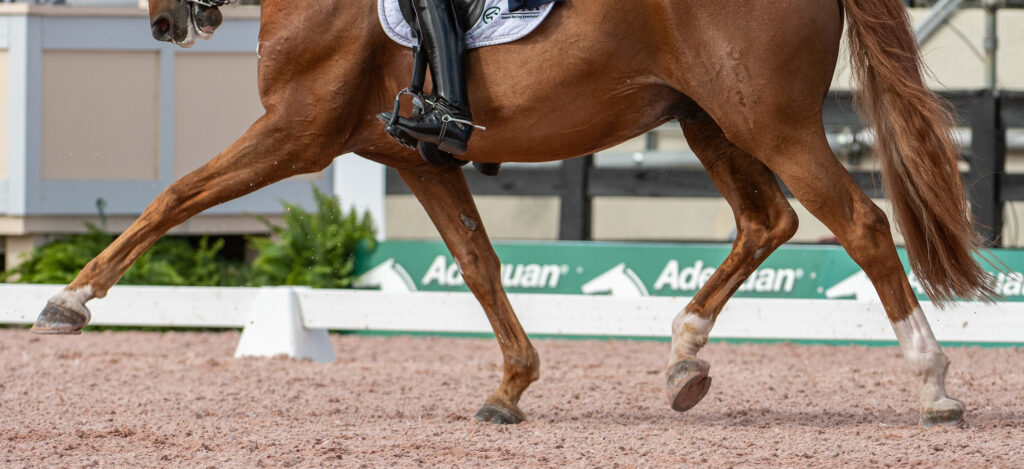
In a normal, healthy joint, articular cartilage lines the ends of bones to reduce friction and act as a natural shock absorber in weight-bearing joints. A joint affected by OA may start off with inflammation of the synovial membrane which lines the joint surface (synovitis). This can then lead to the breakdown of articular cartilage followed later by bony changes in the subchondral bone (the layer of bone just below the cartilage surface) and joint margins (bone spurs).
Cause
Horses can develop OA at any age, and they are considered at-risk if they have a history of joint infection or trauma. Trauma can range from repetitive, low-level concussion from training to overuse injuries all the way to fractures involving the joint. Previous joint infection or trauma can set off a chain reaction leading to inflammation and breakdown of the joint tissues.
As experts are gaining a better understanding of joint pathology, there is a growing consensus of a constant “intelligent conversation” occurring within the substructures of the joint. The chemical signals overlap with naturally occurring processes within the inflammatory cascade. Thus, researchers are reconsidering the process of OA to be, functionally, an immune-mediated disease, where the body’s immune system mistakenly attacks healthy tissue.
Excess body weight is another possible contributing factor. Studies have shown that up to 51% of some equine populations are obese. Excess body weight means added pressure on the joints for overweight or obese horses.
Signs
Horses with OA may show several clinical signs that indicate discomfort and worsening joint health. Joints affected by OA typically look normal to the casual observer. Lameness is a common clinical sign. Other signs include behavioral changes, changes in movement patterns and posture, stiffness that may be alleviated with exercise, reduced range of motion in joints and uneven muscle development.
Diagnosis
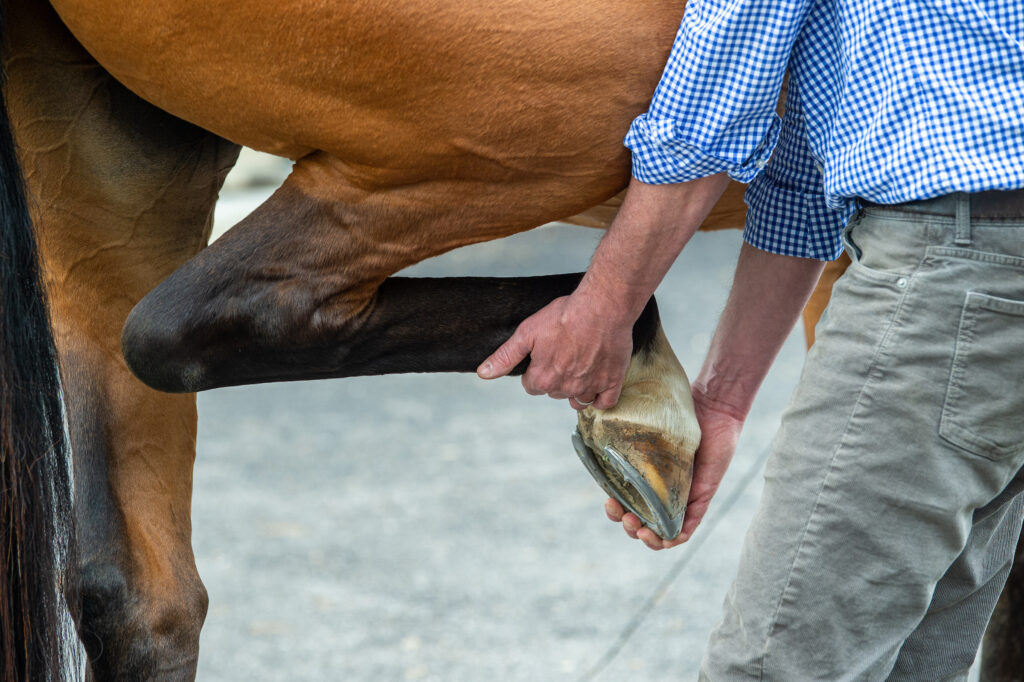
If you suspect your horse has OA, ask your veterinarian to perform a lameness exam. Your vet may use palpations, flexion tests and joint blocking as well as imaging, such as X-rays, MRI or CT, to confirm a diagnosis of OA.
Treatment
Treatment of OA aims to slow the progression of the disease and keep horses comfortable. Typically, the earlier an intervention can take place, the better the prognosis for long term athletic. OA treatment is a rapidly evolving field, and new therapies are flooding the market. Vets are challenged to customize their recommendations to meet the needs of the individual patient and owner. At the same time, there is limited objective information available on many of the newer therapies. For this reason, the IGNITE Equine Clinicians Registry was created to objectively track and compare outcomes following treatment of equine athletes with regenerative therapies.
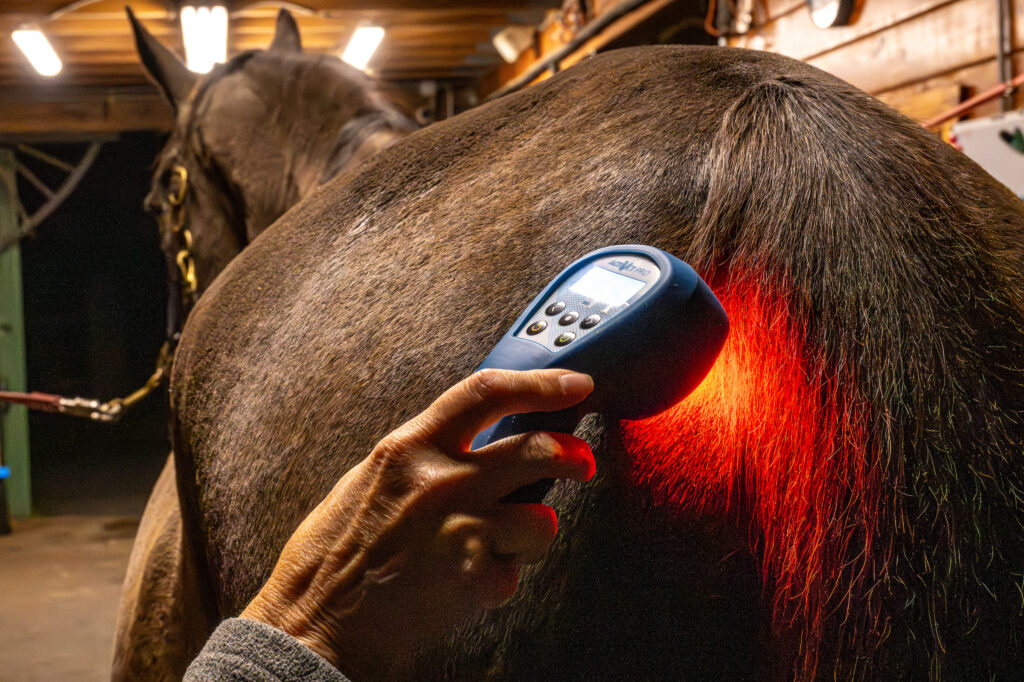
Generally speaking, there are five categories of treatments:
- Nonsteroidal anti-inflammatory drugs (NSAIDs)
- Orthobiologic and regenerative therapies
- Intra-articular (injected into the joint) corticosteroids, hyaluronic acid and/or polysulfated glycosaminoglycans
- Adjunctive therapies (laser, therapeutic ultrasound and shock wave therapy)
- Nutrition modifications and supplements
While managing the well-being of a horse with OA is the top priority, do your research if you plan to compete with your horse. Read your rule book or contact your governing body to be sure you aren’t using medications and/or supplements that are prohibited or competing before a designated withdrawal period.
Prevention and Management
While OA isn’t completely preventable, management practices to maintain healthy joints may minimize the risk of horses developing OA and keep horses with OA comfortable. Healthy horses do their best when they are active and strong. A corticosteroid injection into a joint can have powerful short-term health and performance benefits. However, overuse of this therapy may actually worsen the development of OA. Be sure to consult your vet about managing your horse’s situation.
Schedule regular farrier visits to keep your horse’s hooves balanced, thus reducing unnecessary stress on his joints. Monitor your horse’s body condition and modify his diet if needed. Have your vet perform routine lameness exams to detect slight changes in your horse’s movement or soundness.
For more on common joint issues in dressage horses, click here.
About Mark Revenaugh, DVM
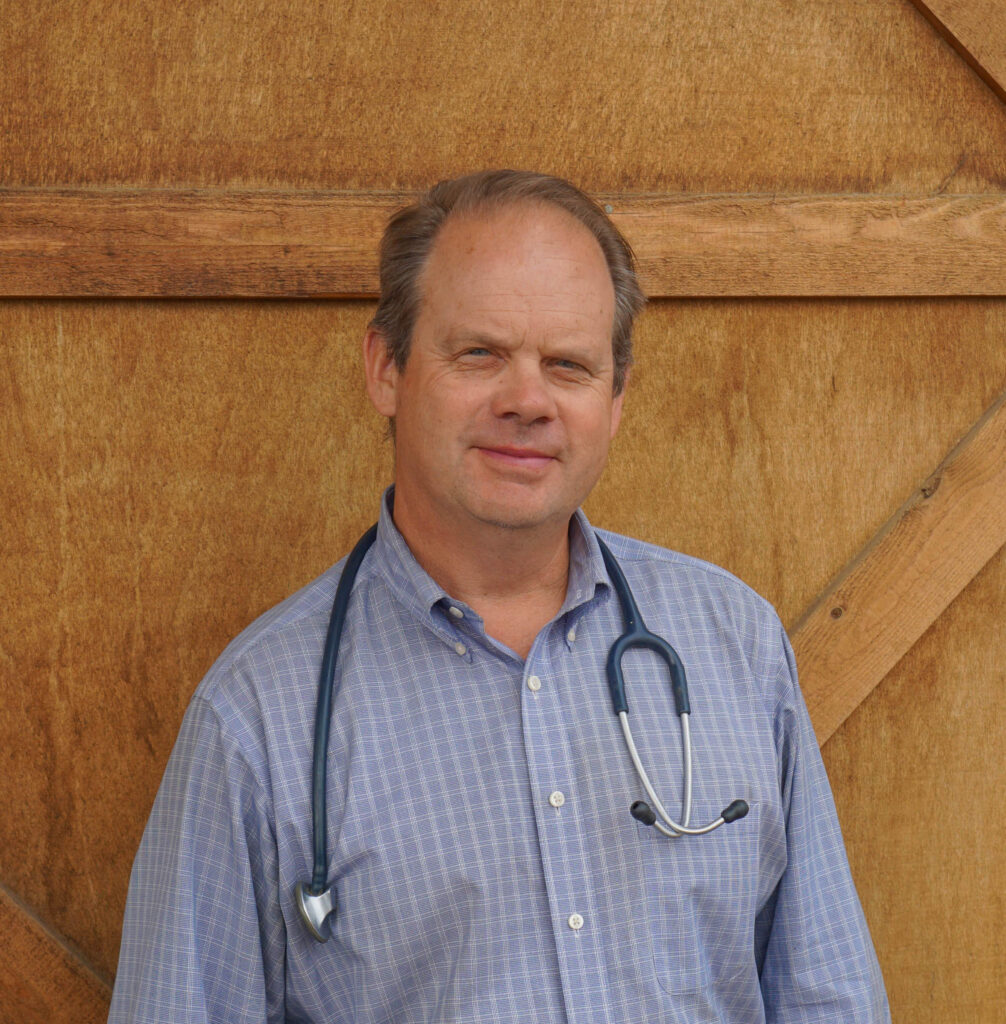
Practical Horseman thanks Mark Revenaugh, DVM, for his technical assistance in the preparation of this article. A 1991 graduate of the University of Illinois College of Veterinary Medicine, Revenaugh has been at the forefront of diagnostic imaging and regenerative therapies throughout his career. He has served as an official U.S. Equestrian Team Veterinarian and is a cofounder of IGNITE, a nonprofit dedicated to advancement of equine athletic health. Revenaugh owns the Northwest Equine Performance and Seattle Equine Performance veterinary practices. He lives in Mulino, Oregon, with his wife and two children.
This article first appeared in the 2025 winter print issue of Practical Horseman.